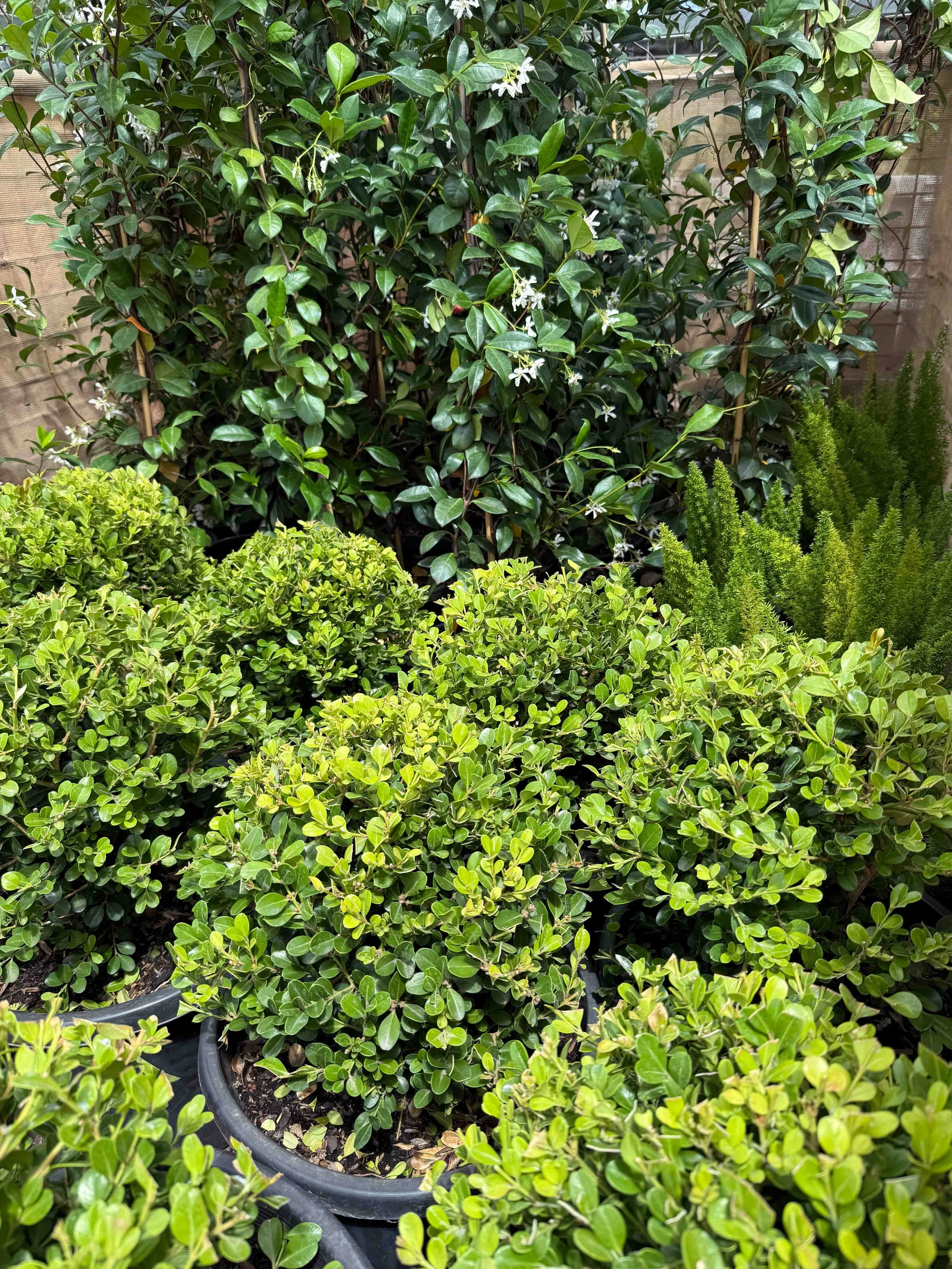
Plants we grow and sell
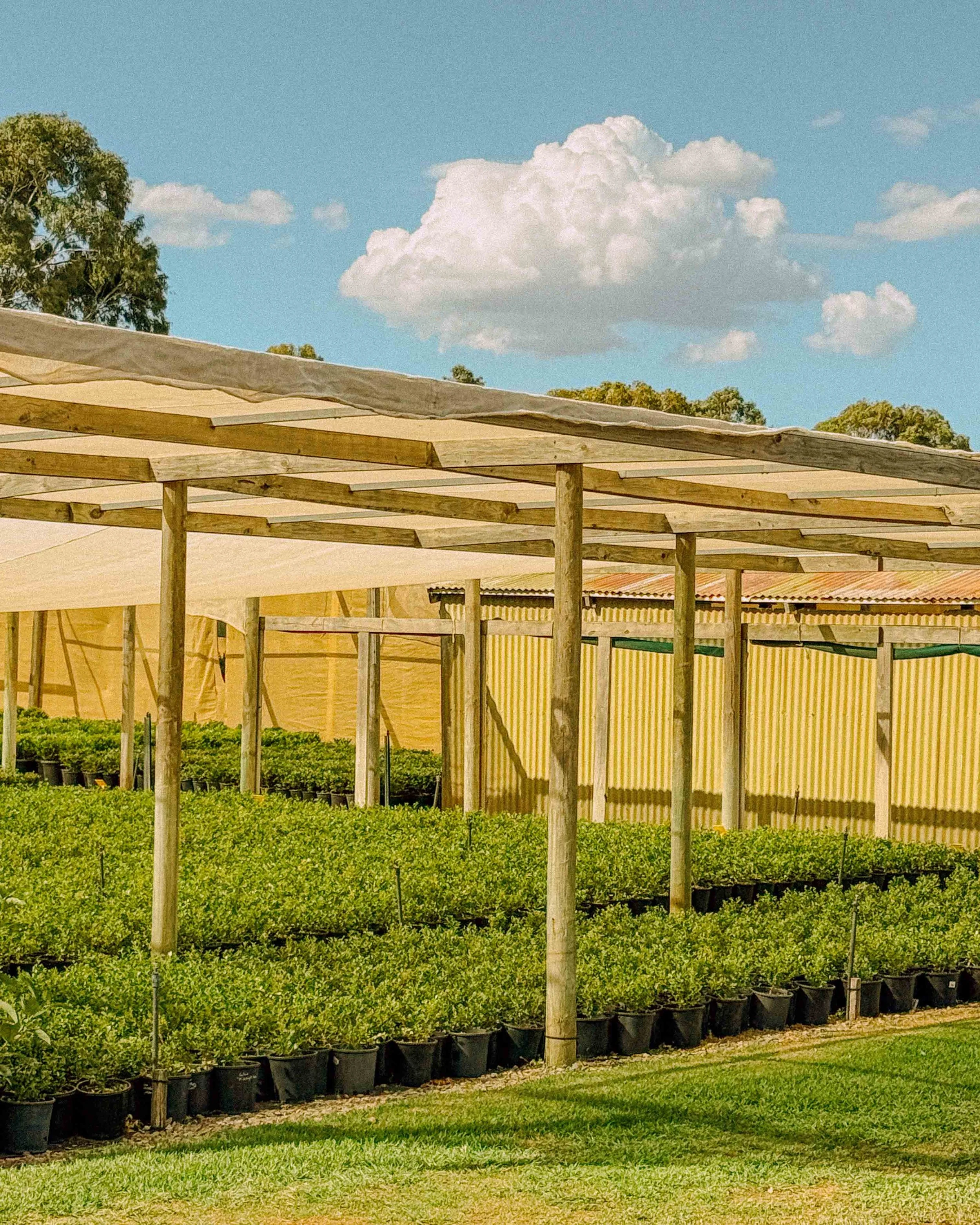
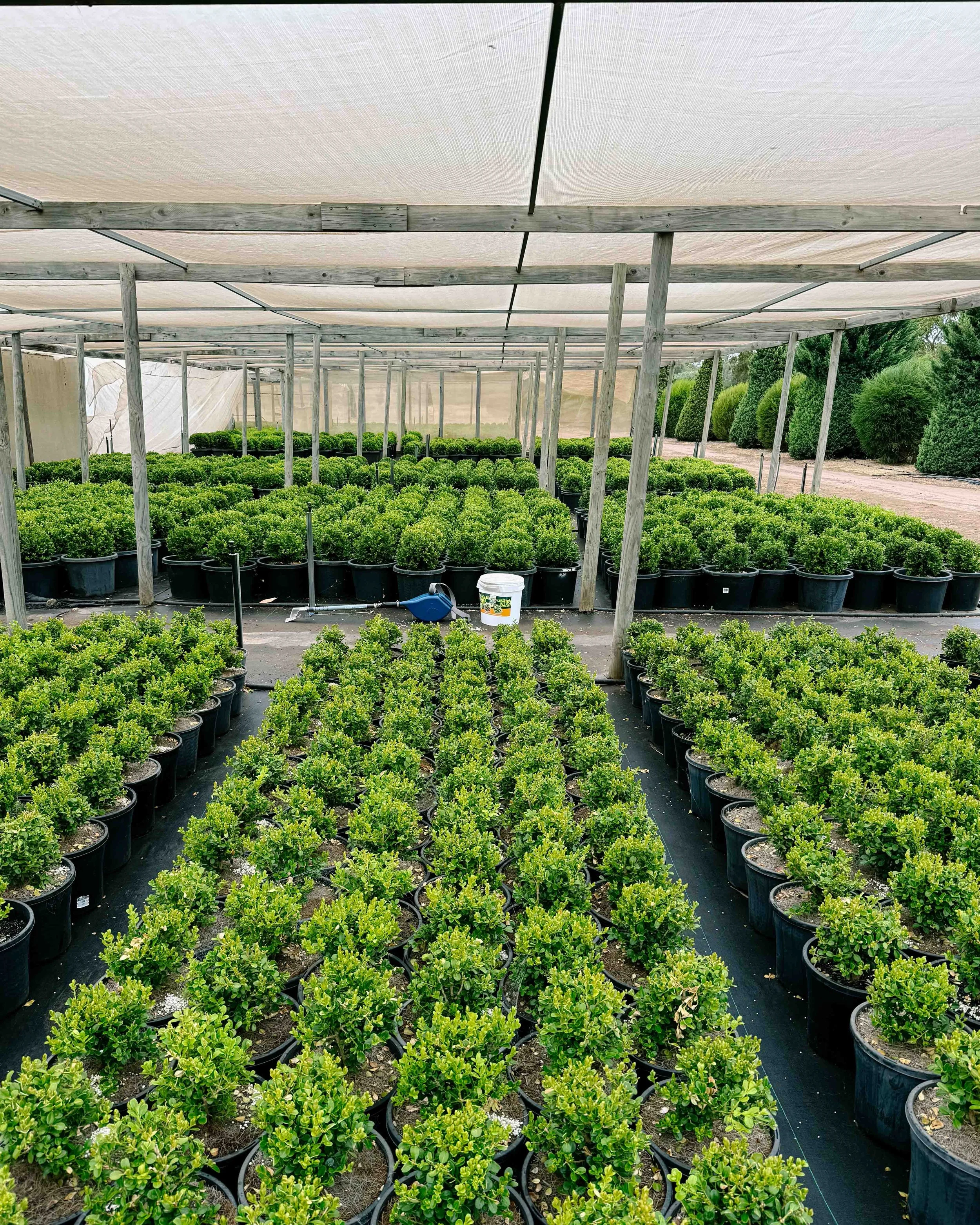
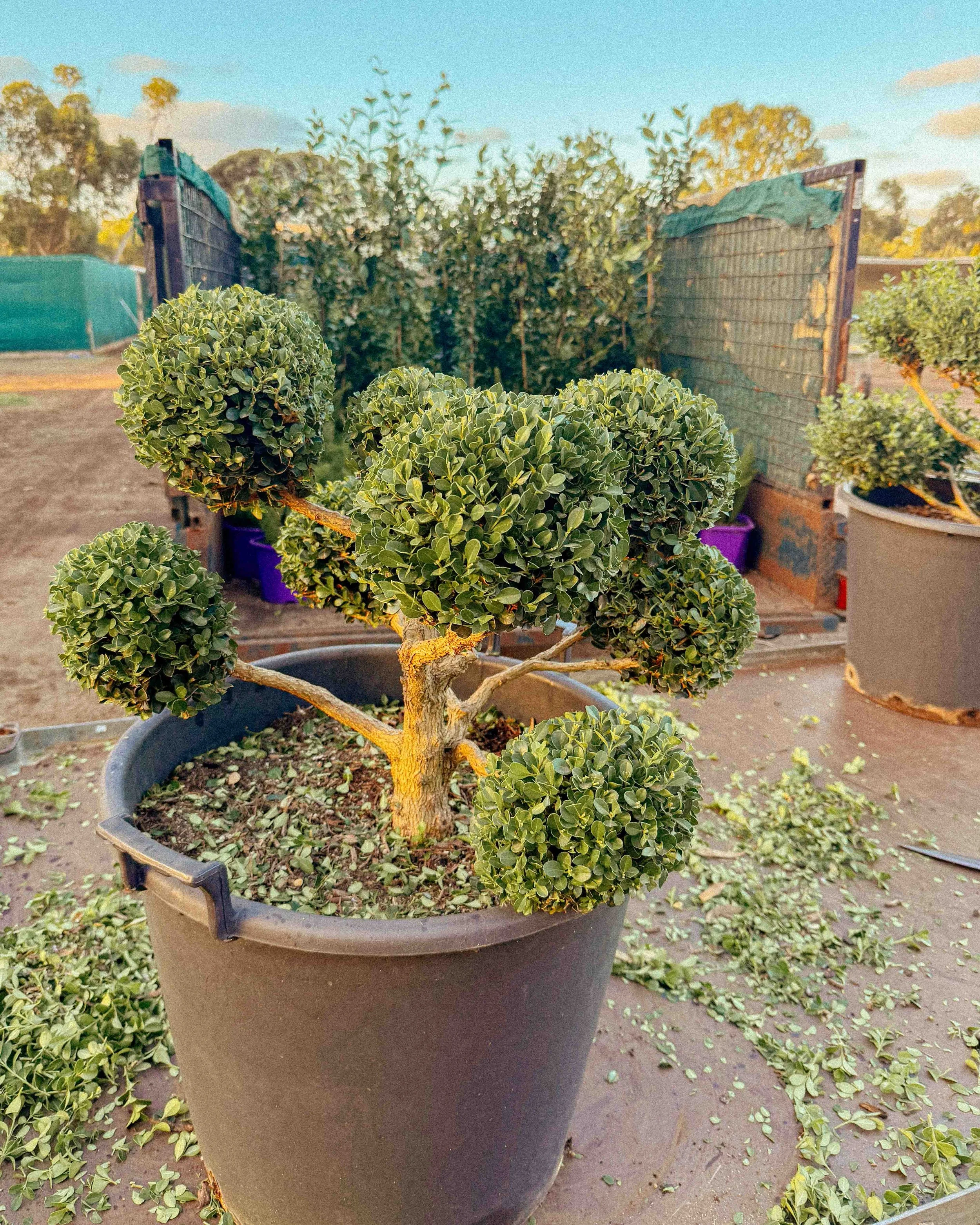
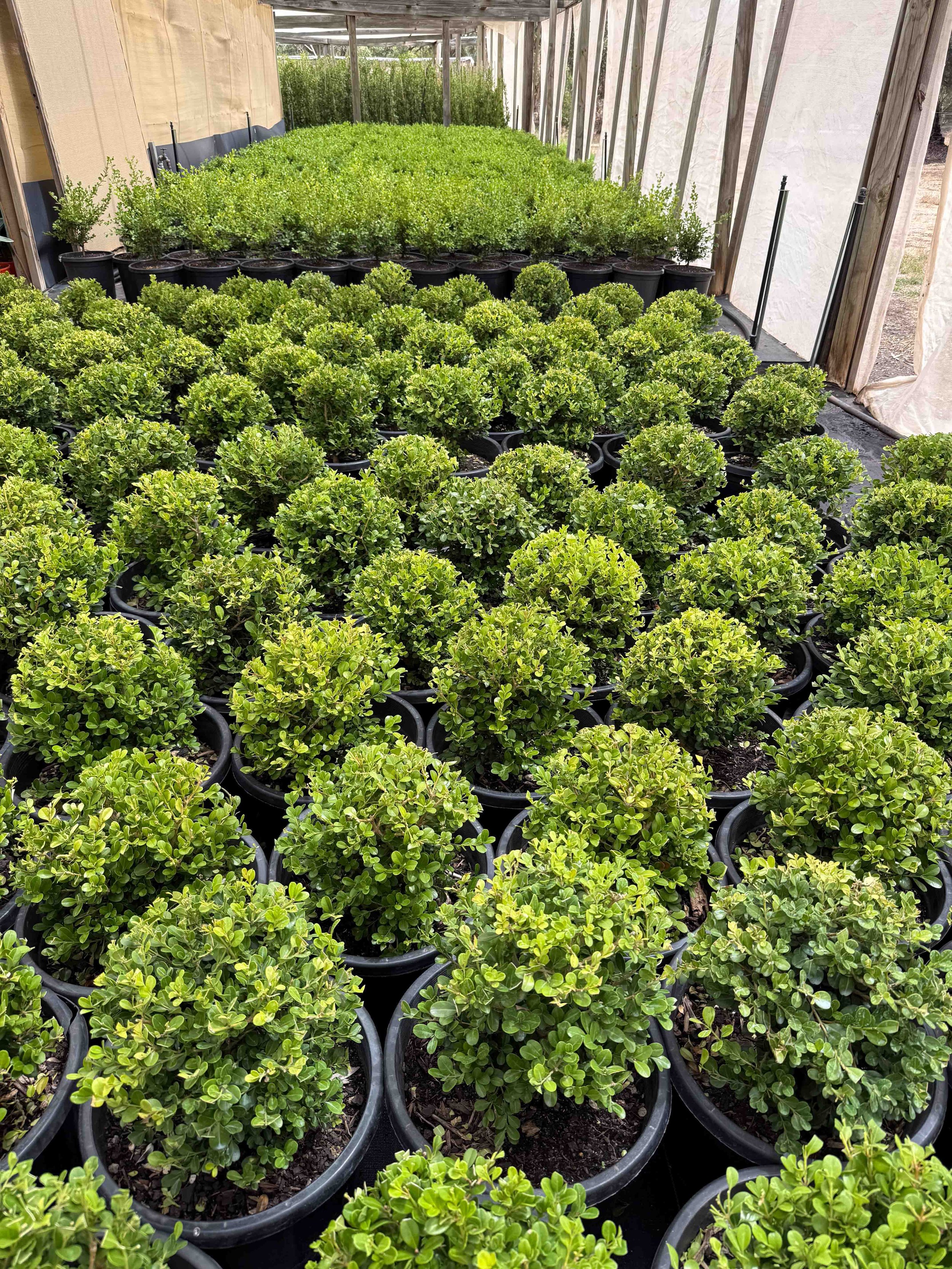
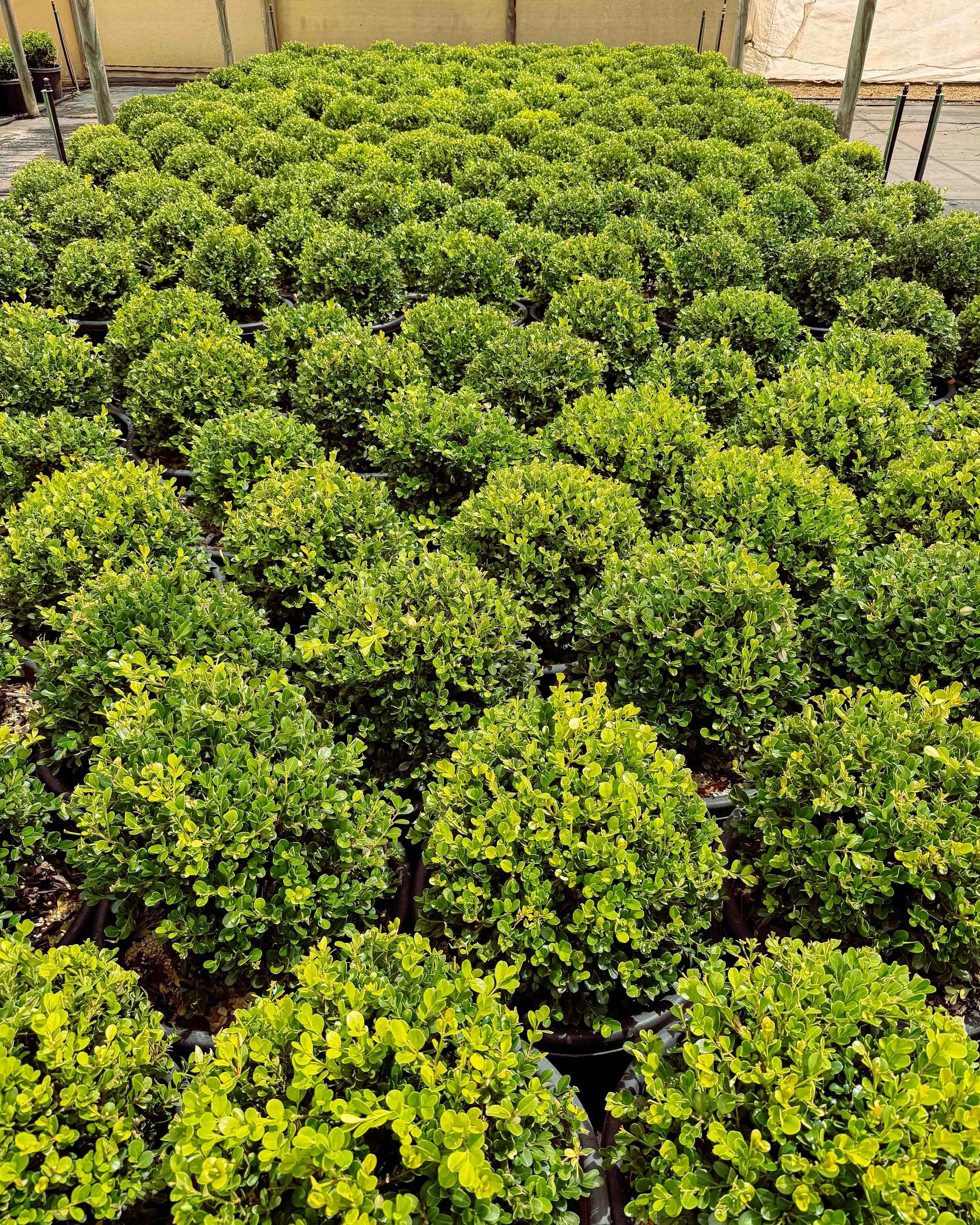
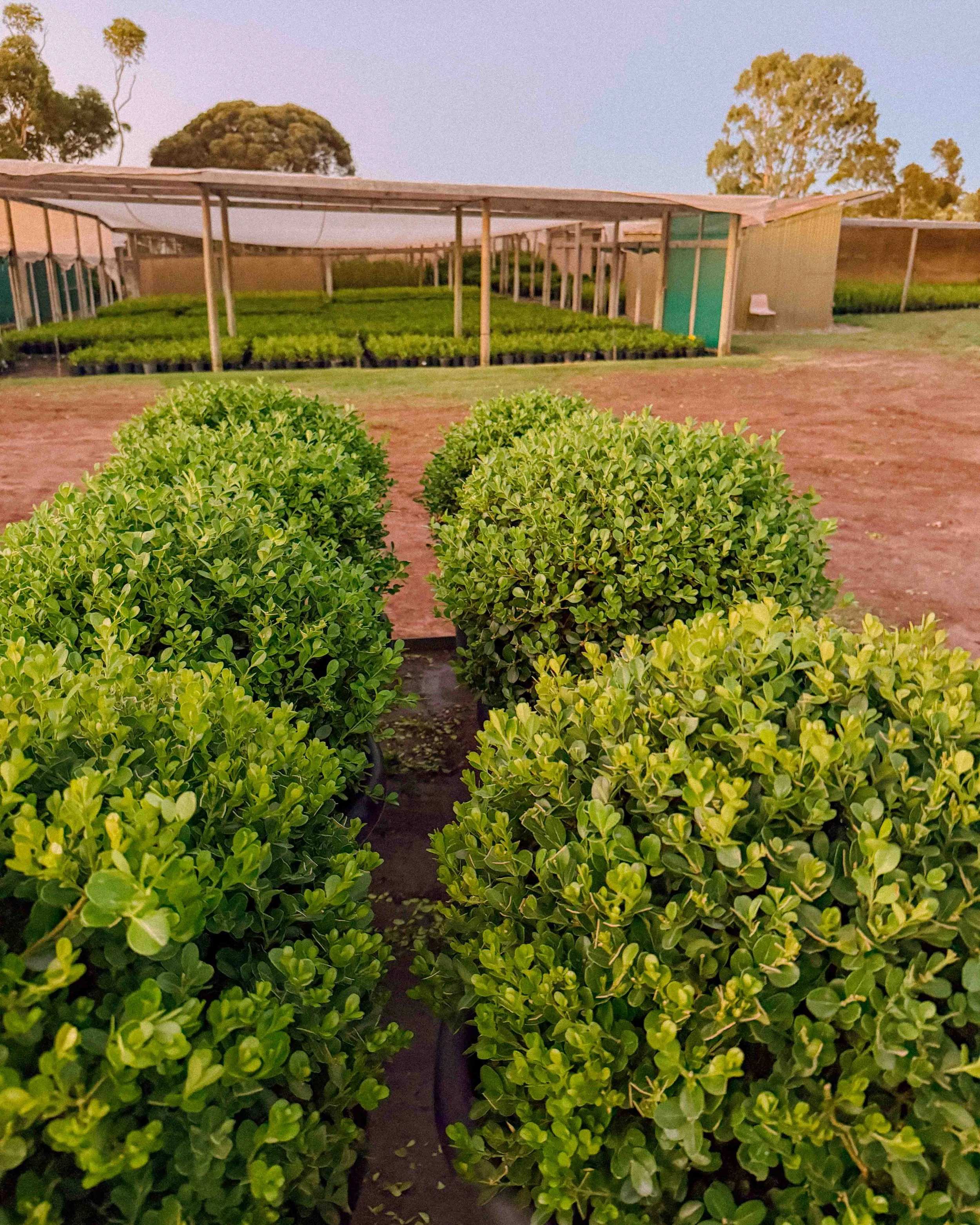
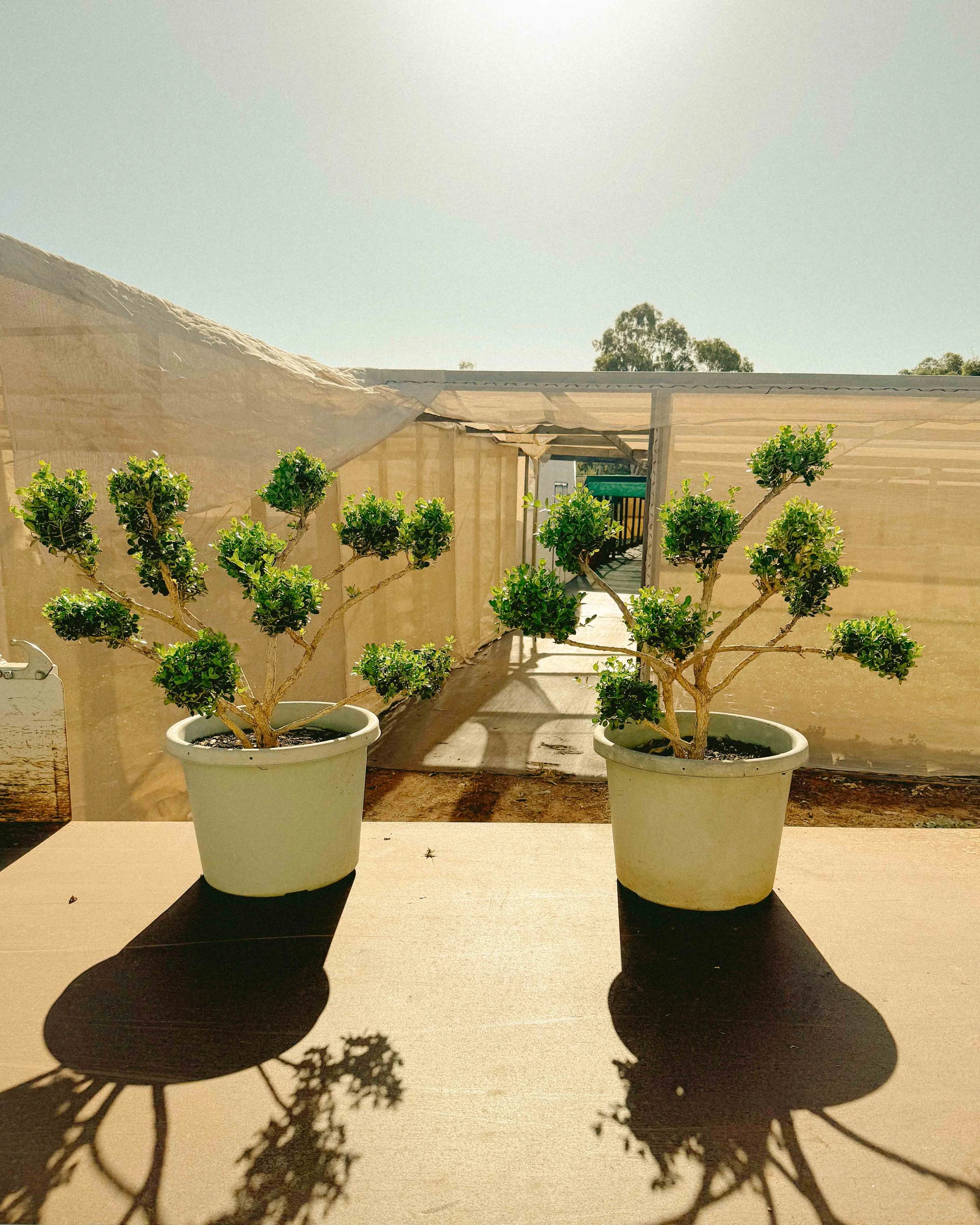
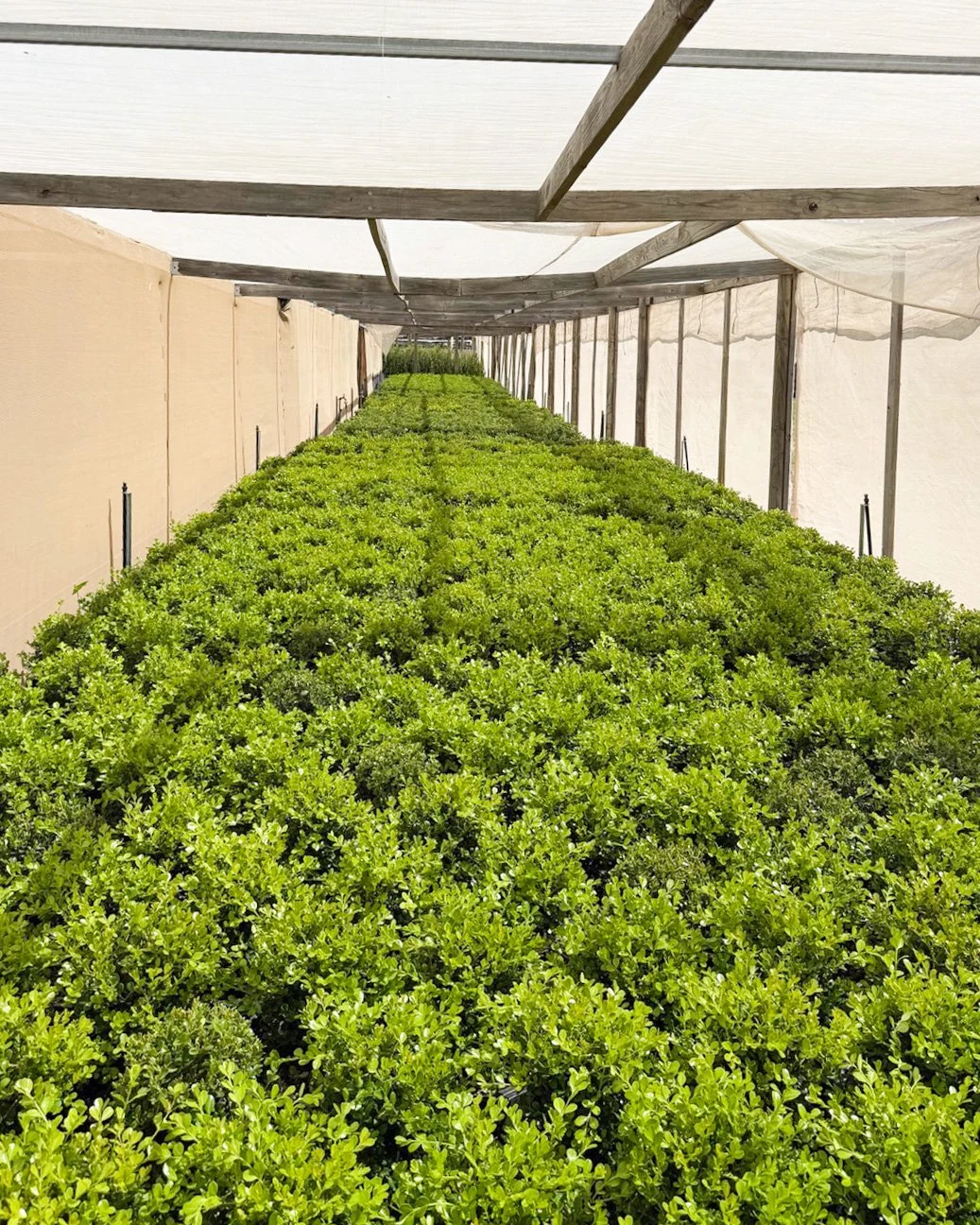
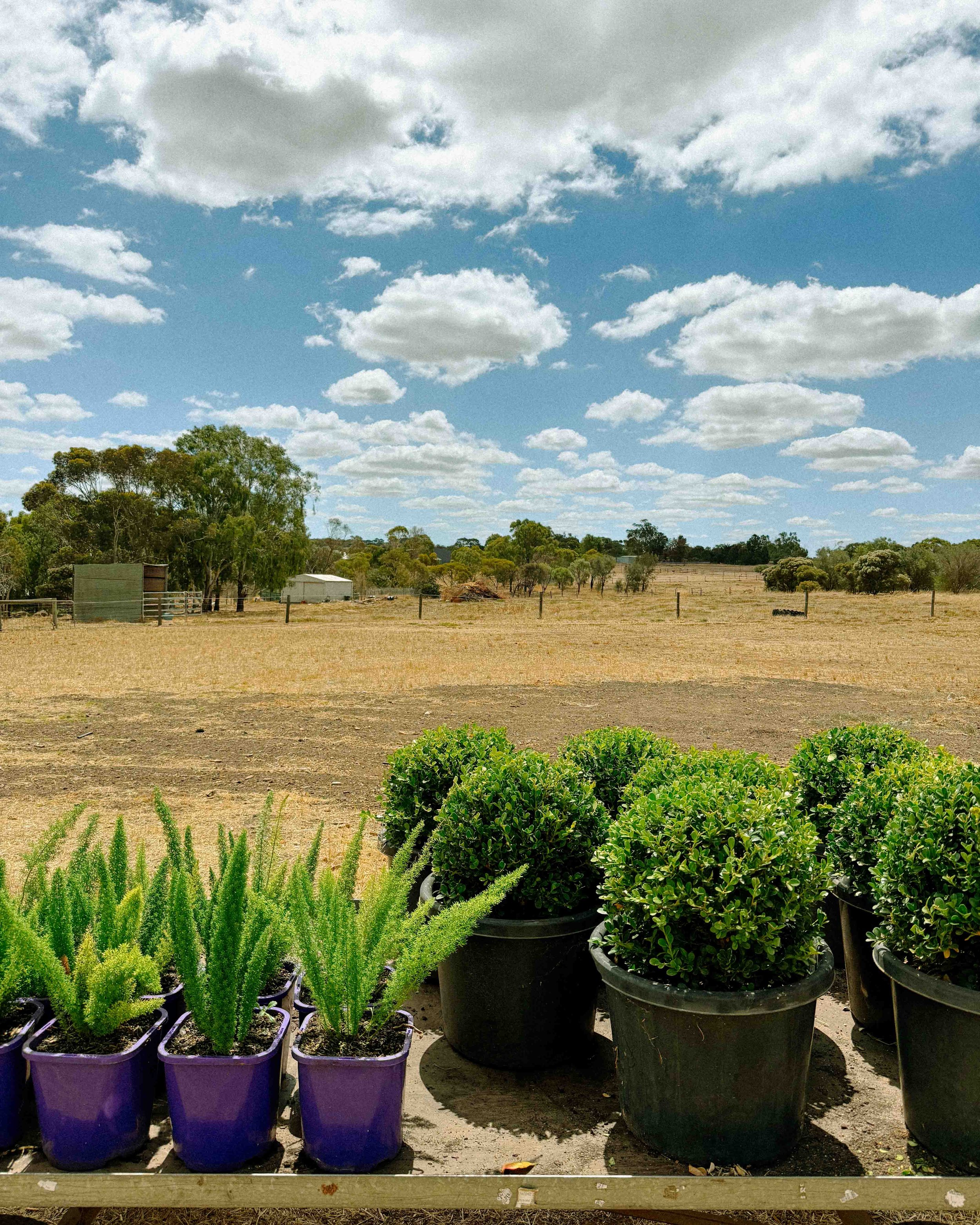
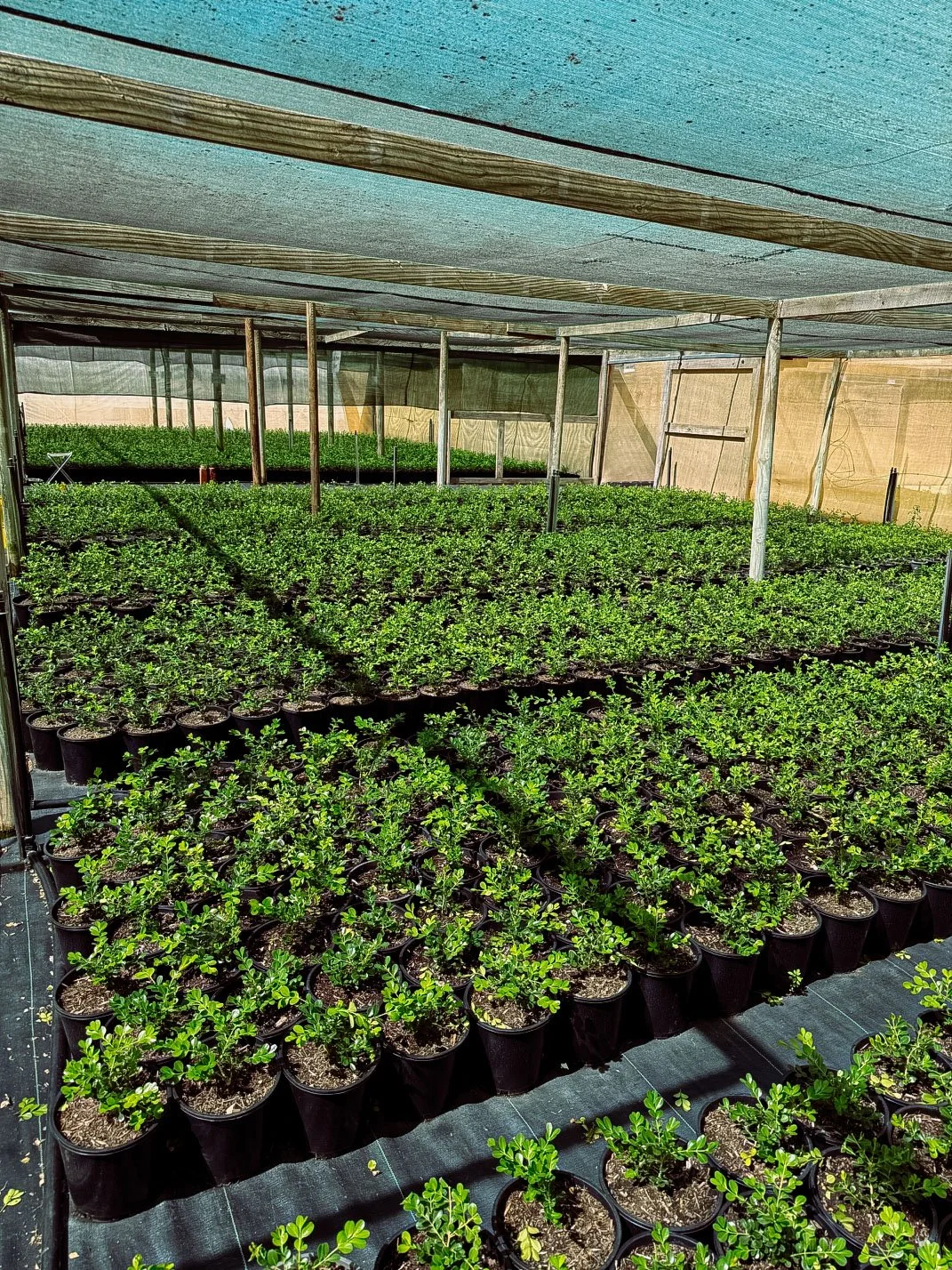
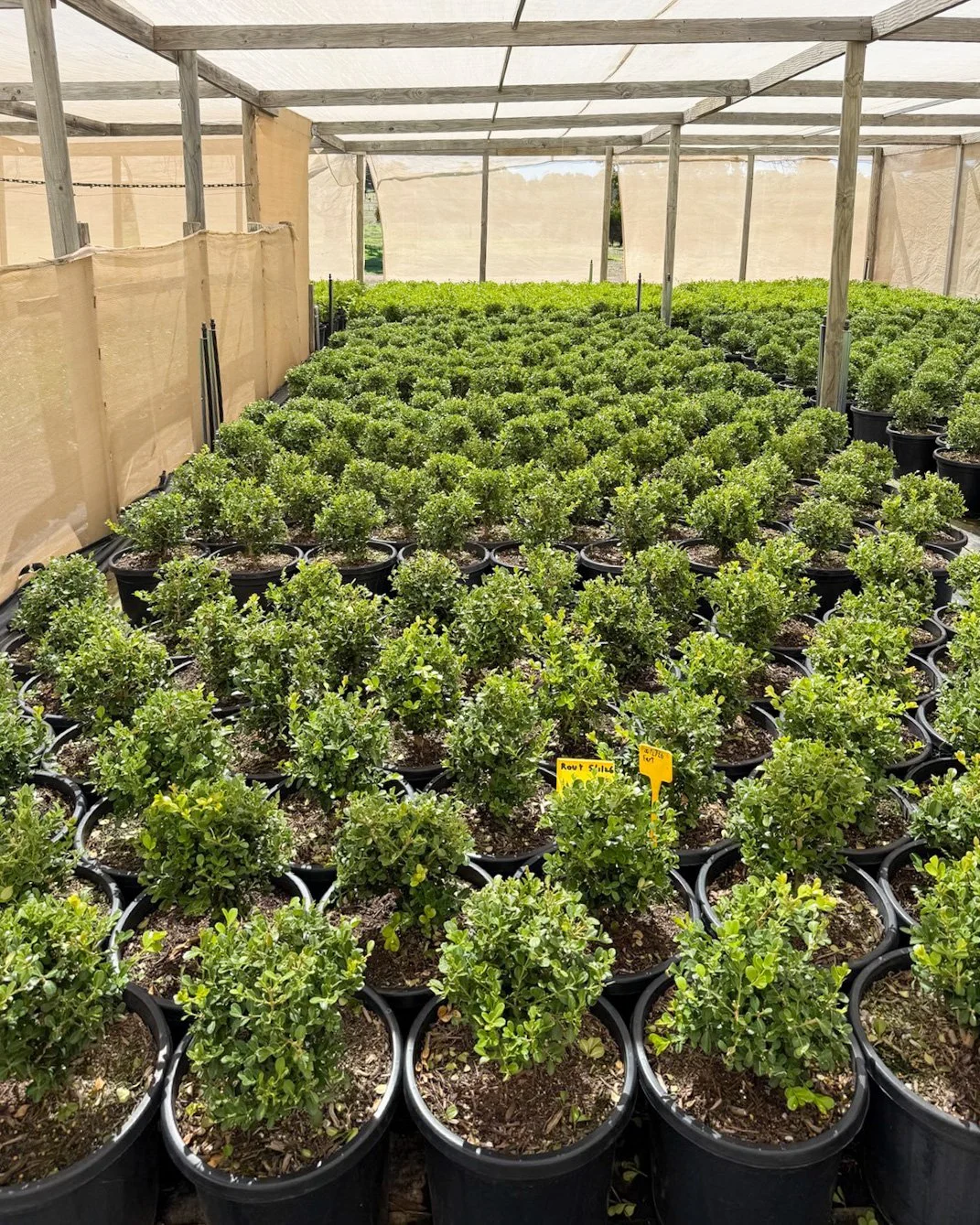
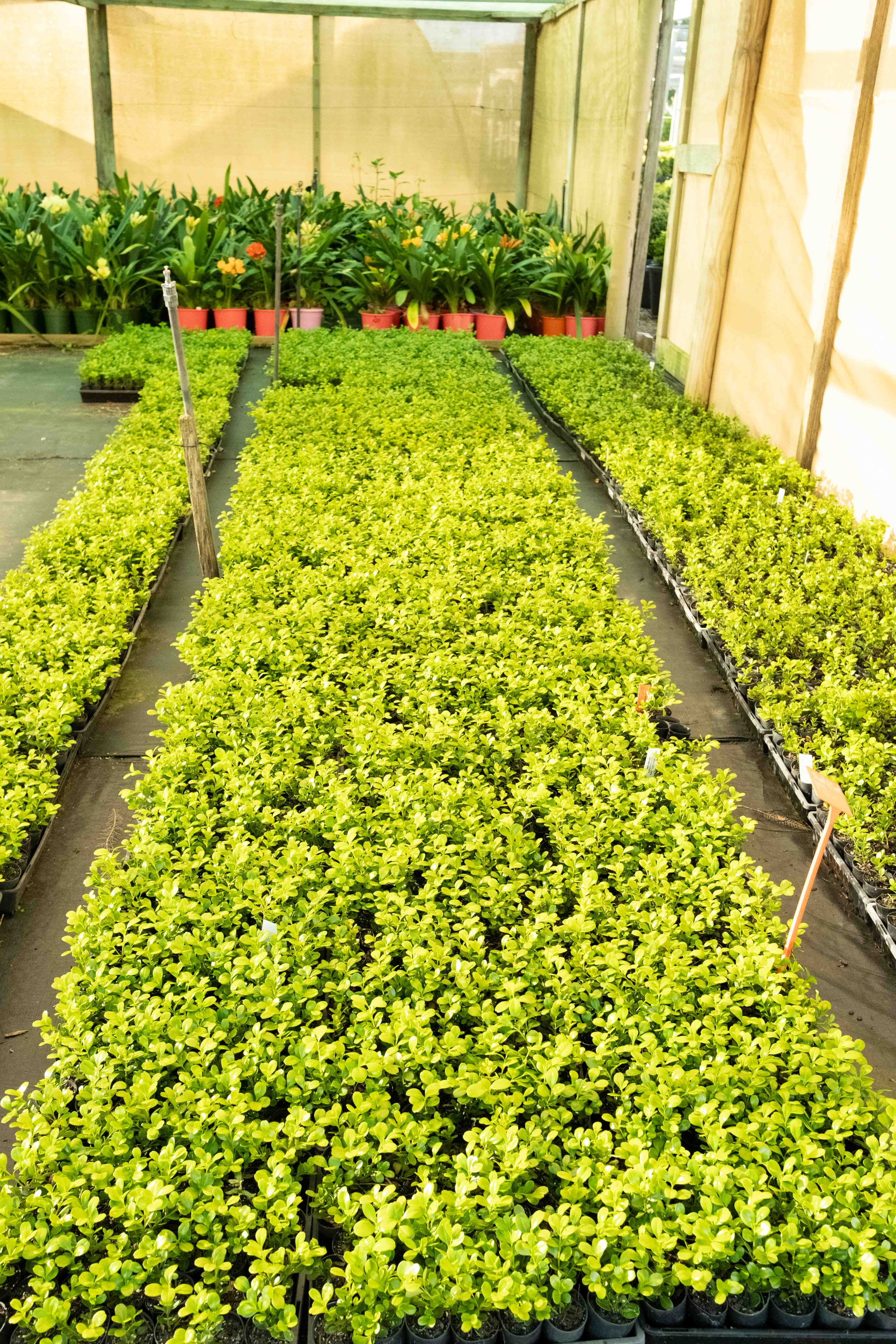
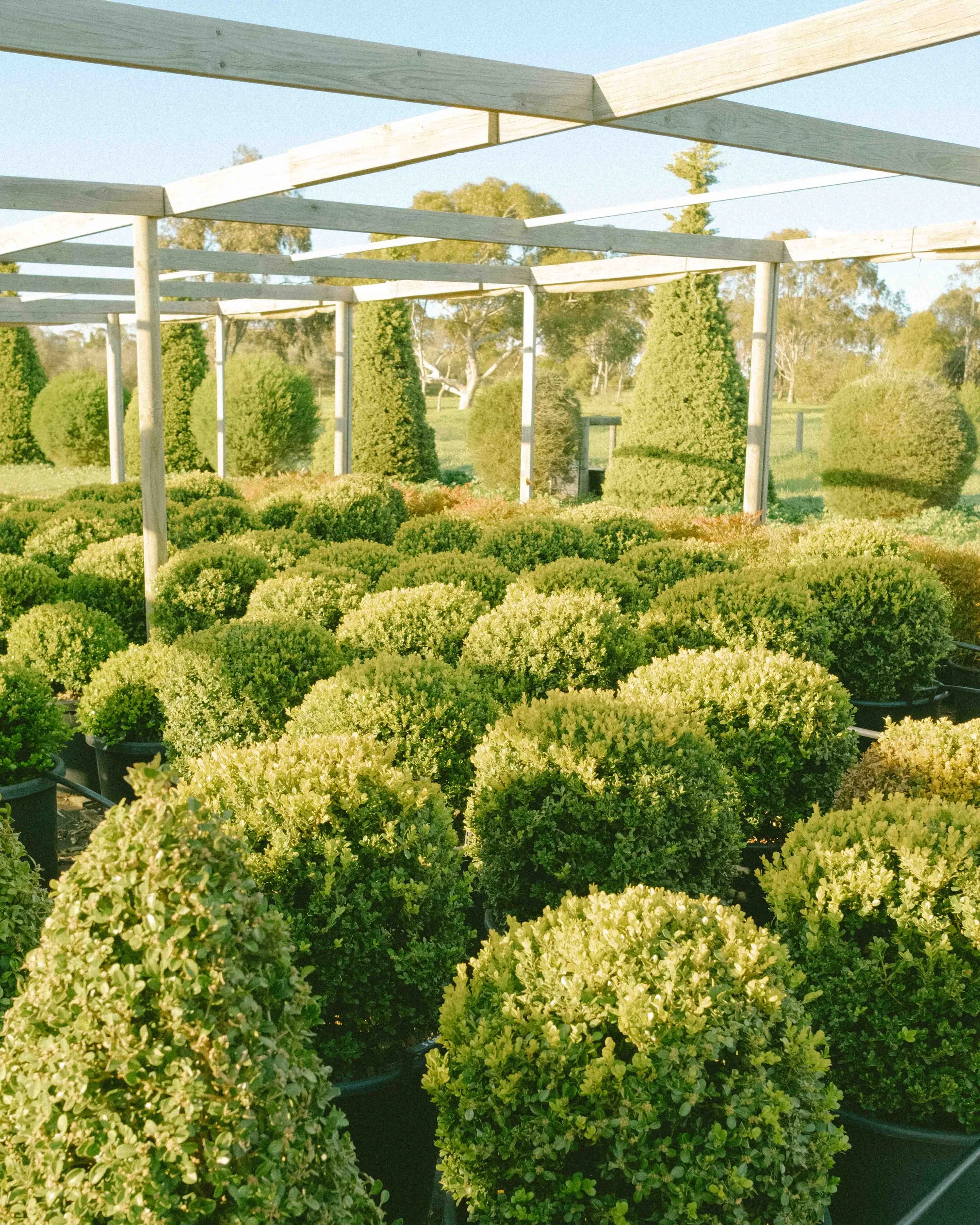
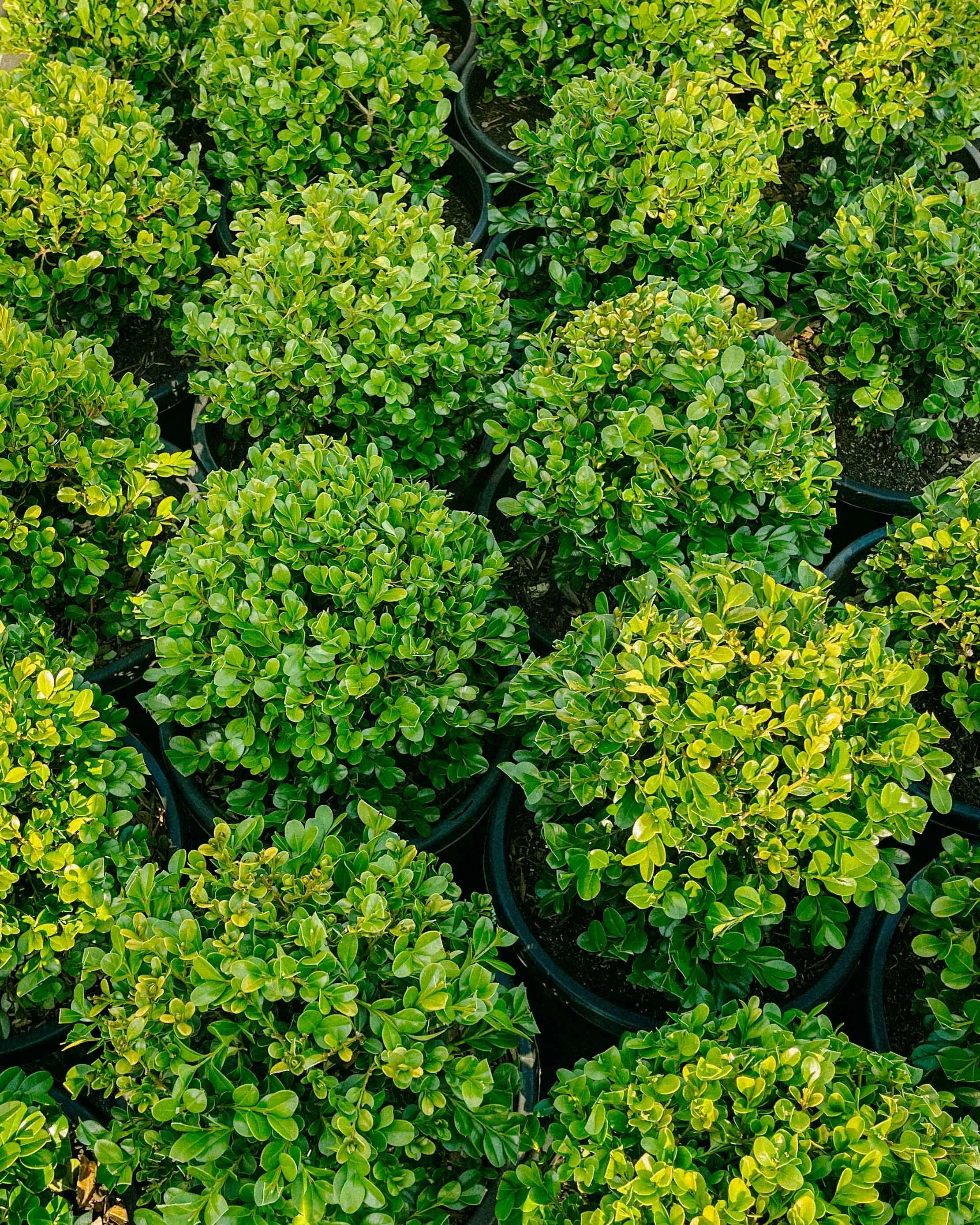
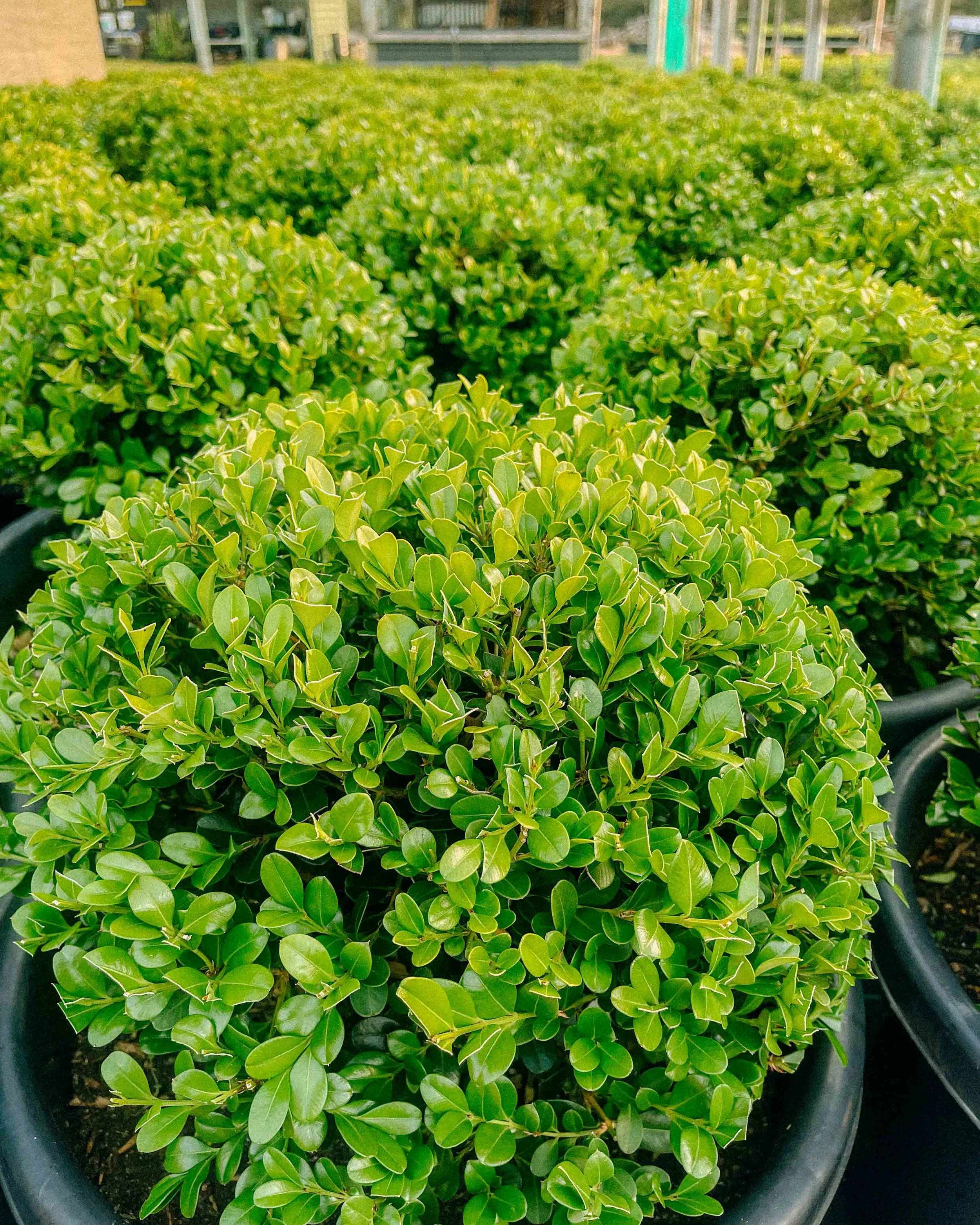
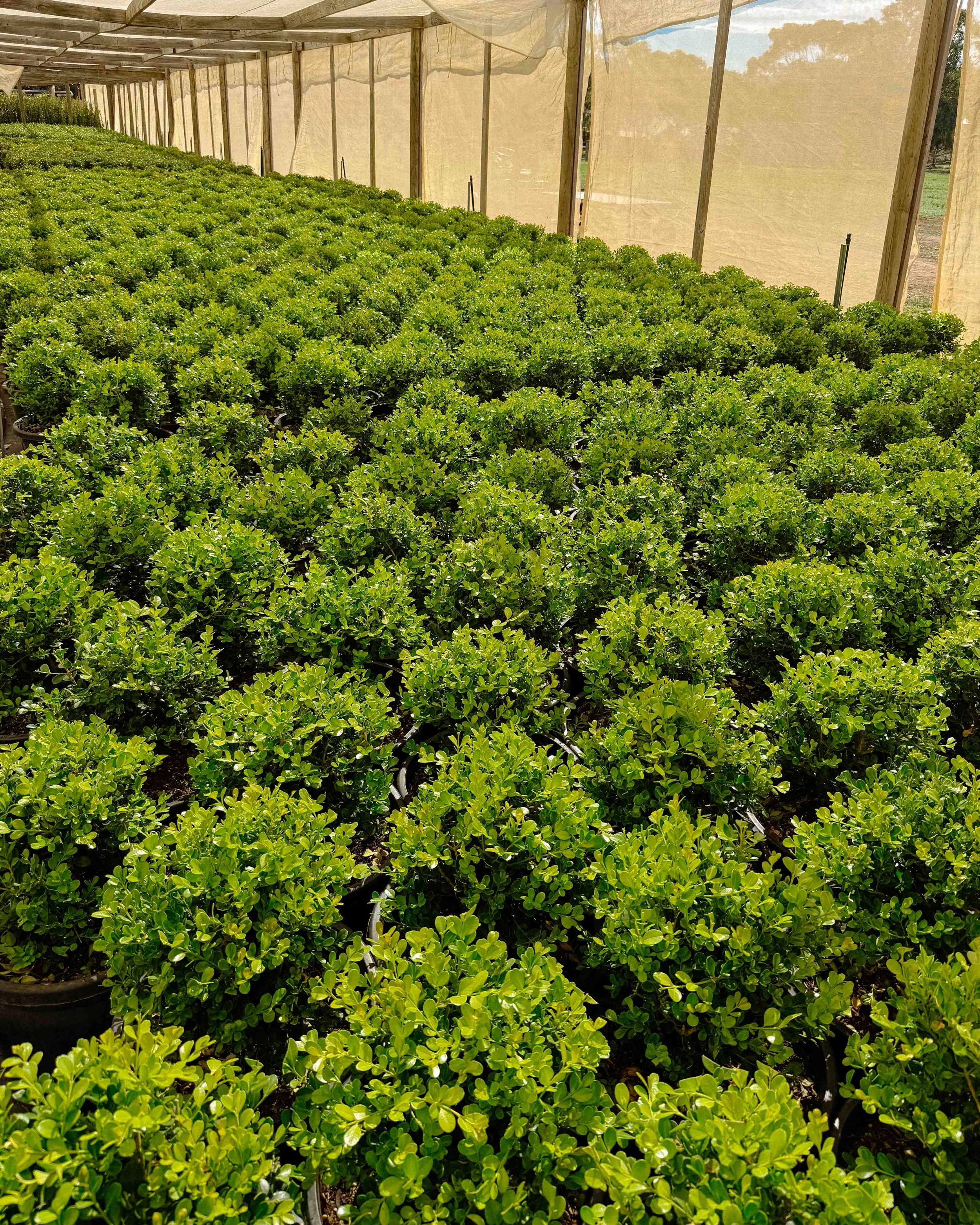
Japanese Box (Buxus Microphylla)
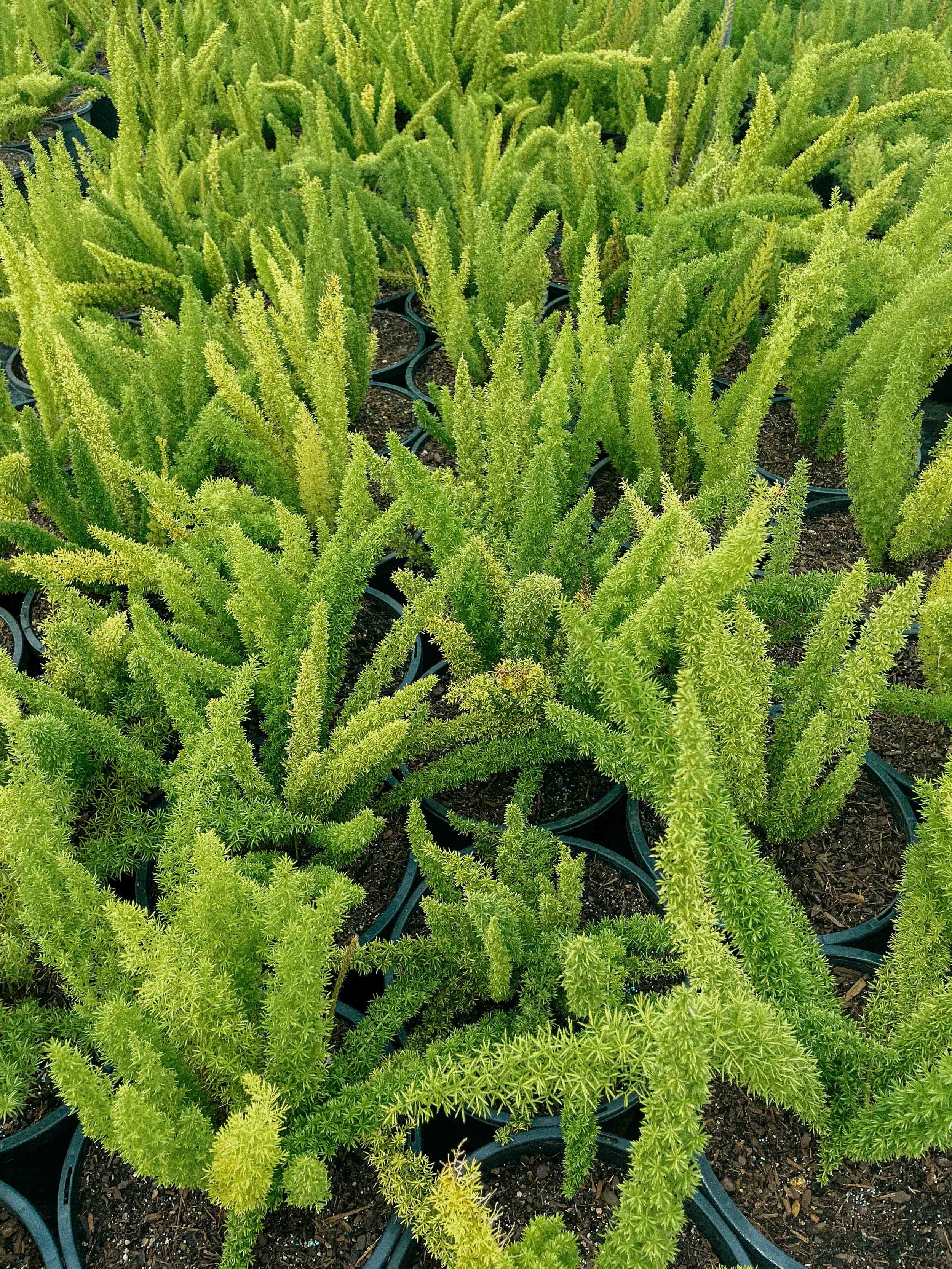
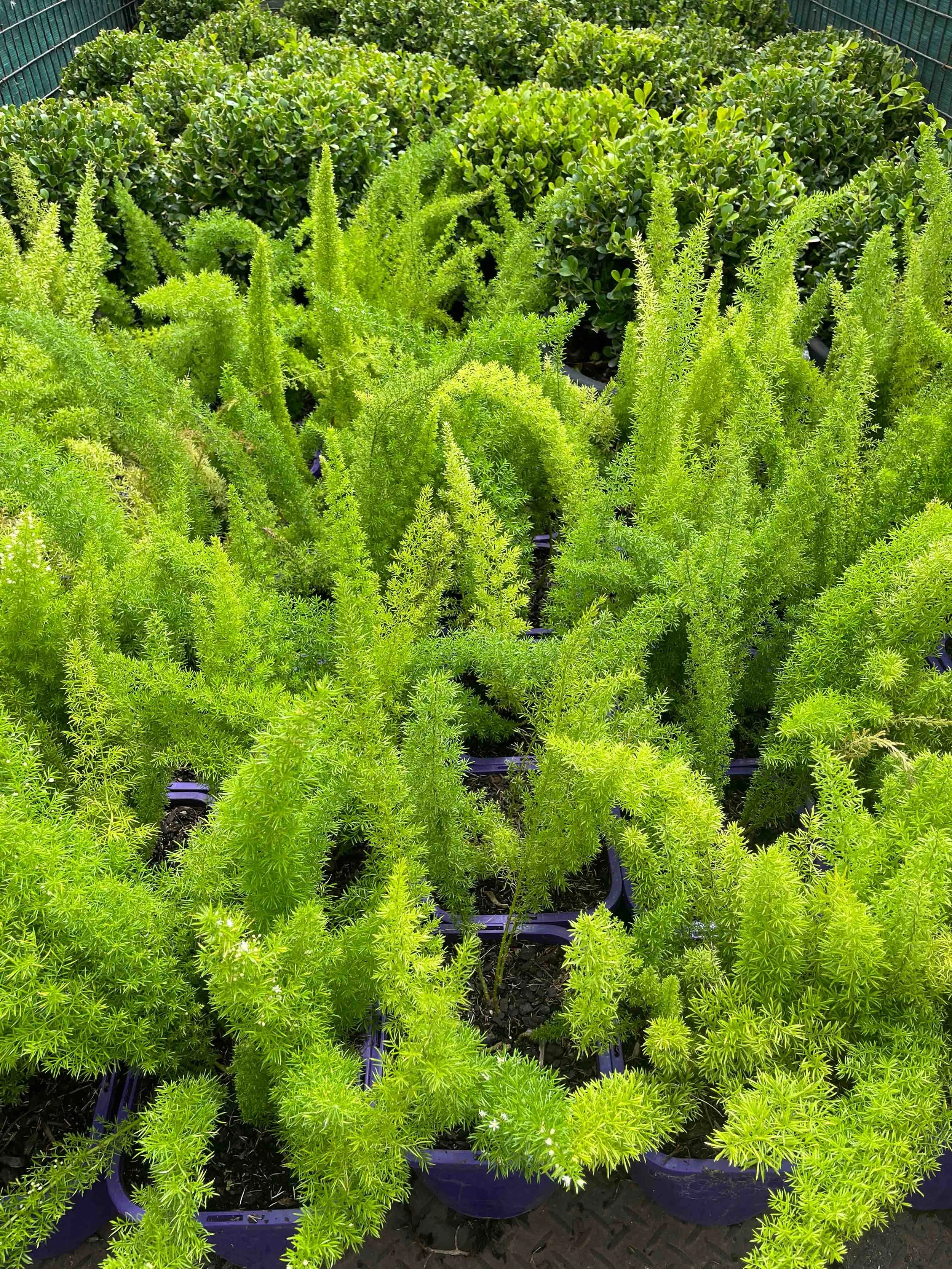
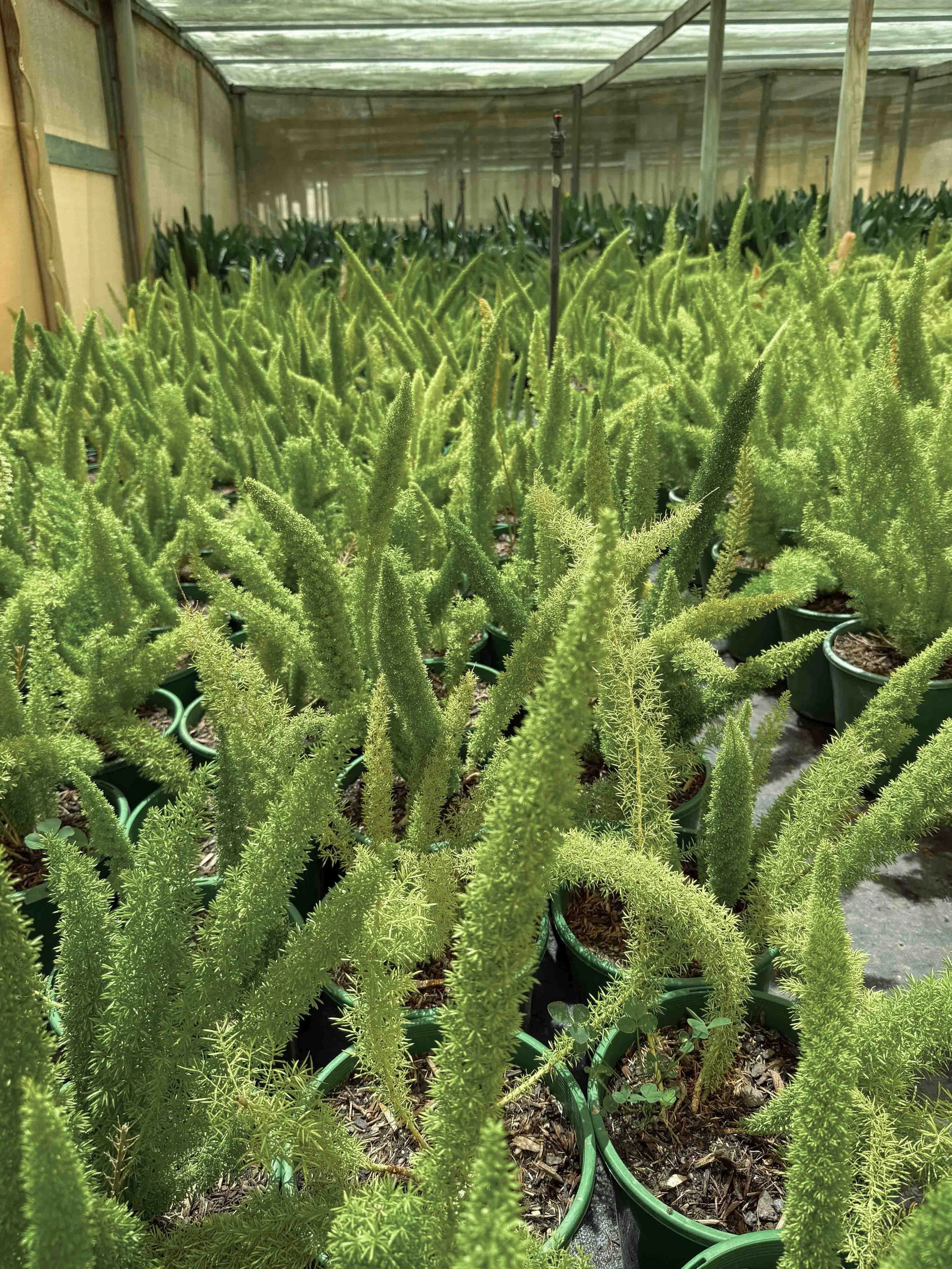
Foxtail Ferns (Asparagus Densiflorus 'Meyersii')
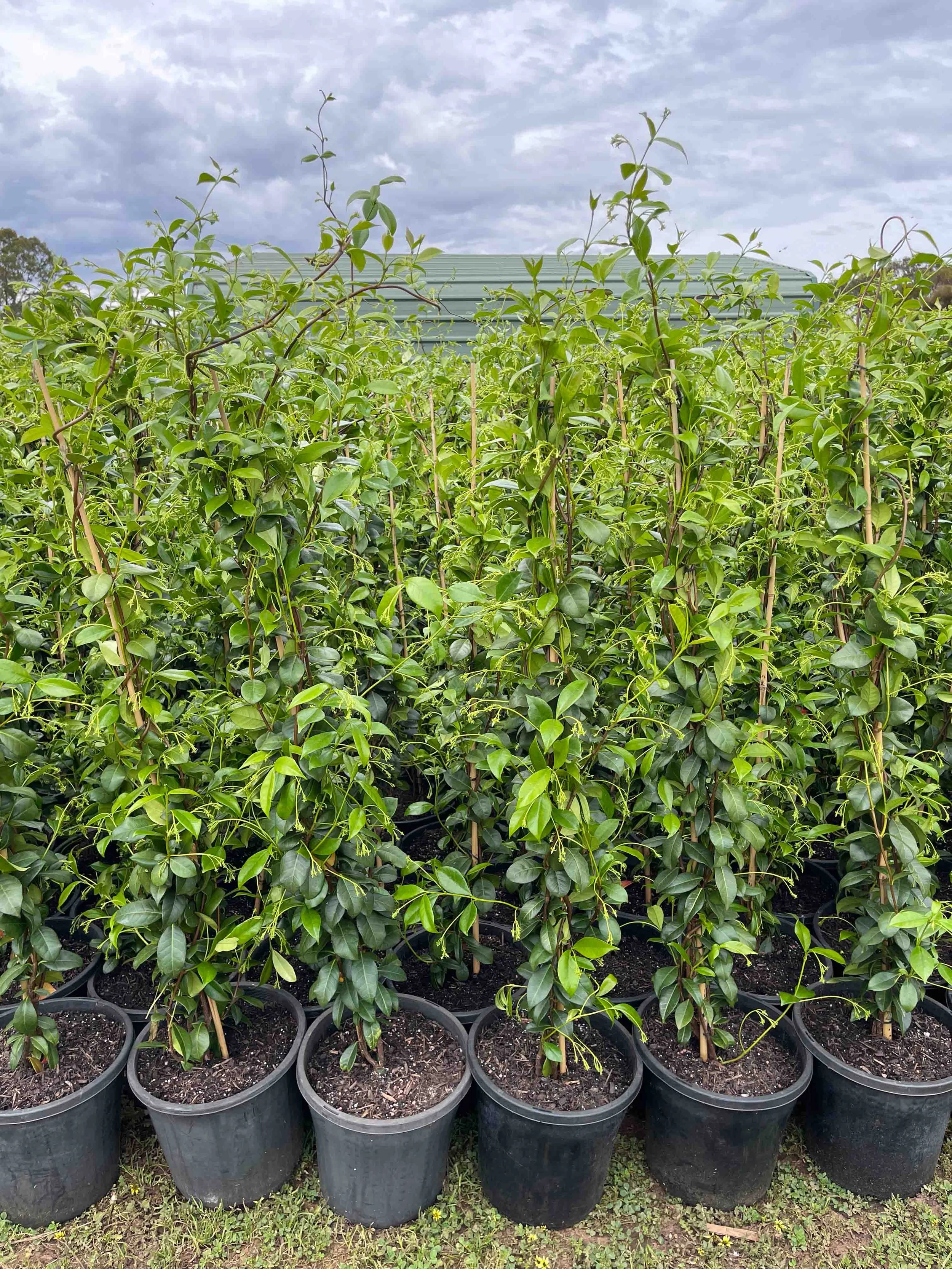
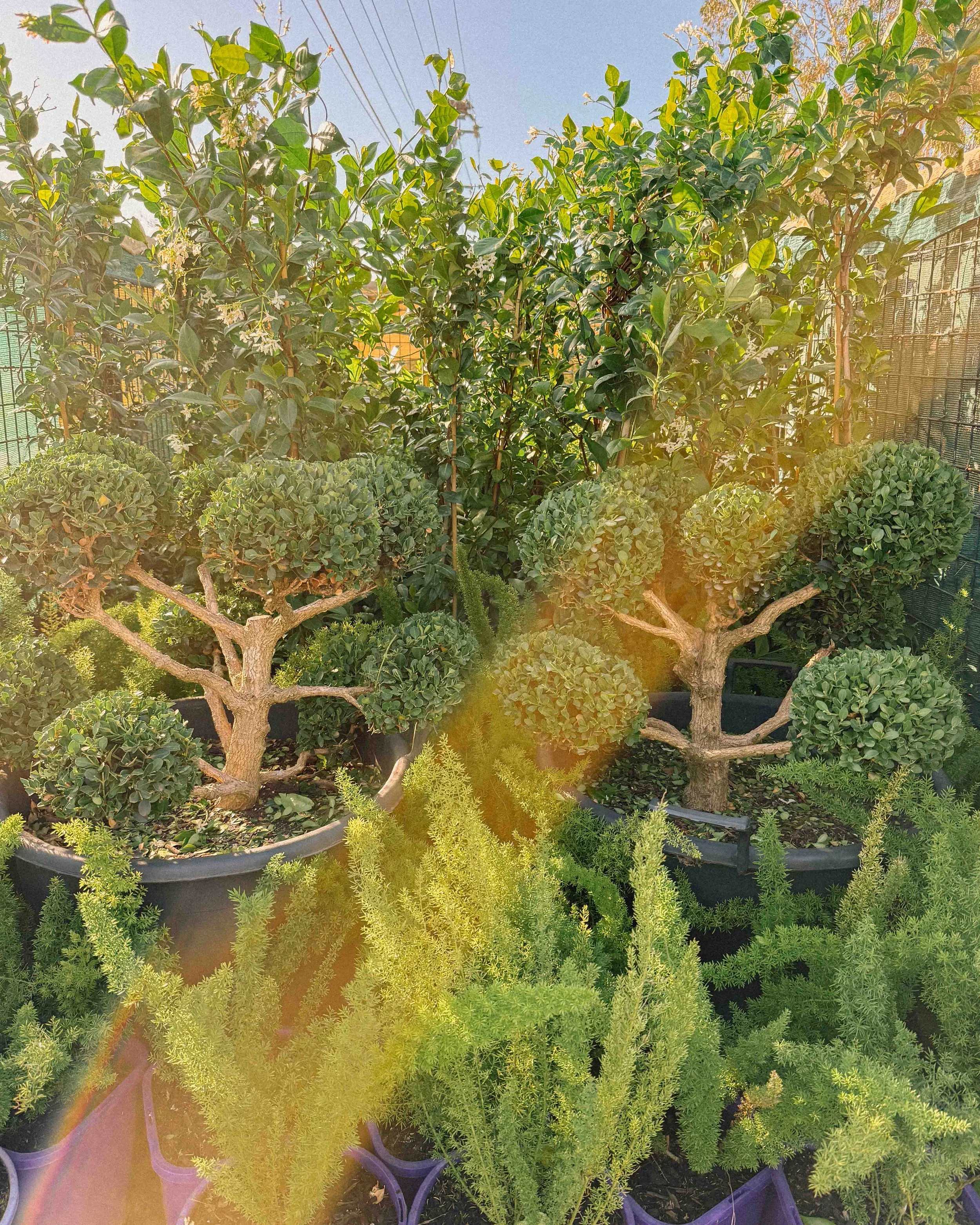
Star Jasmine (Trachelospermum Jasminoides)
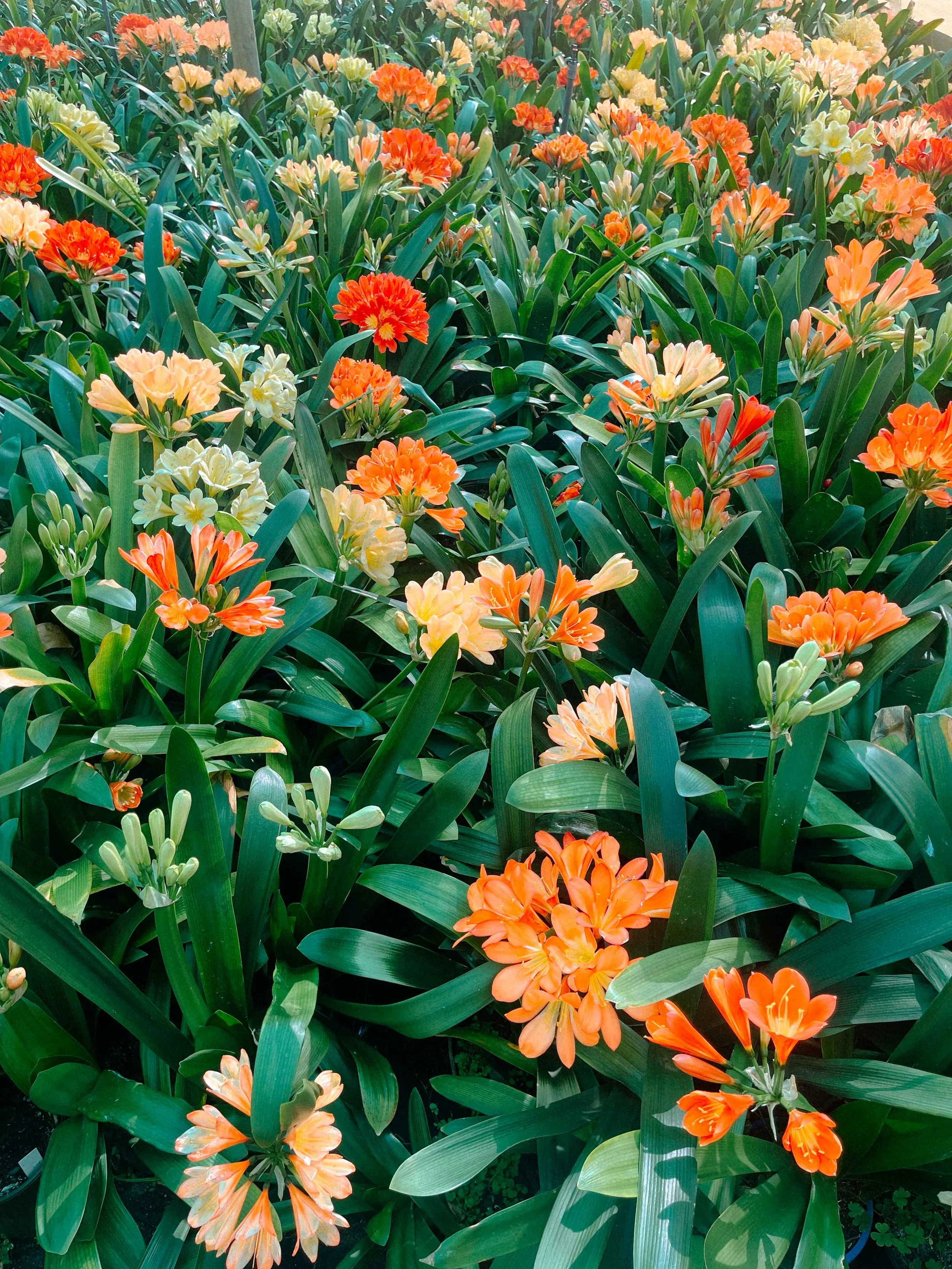
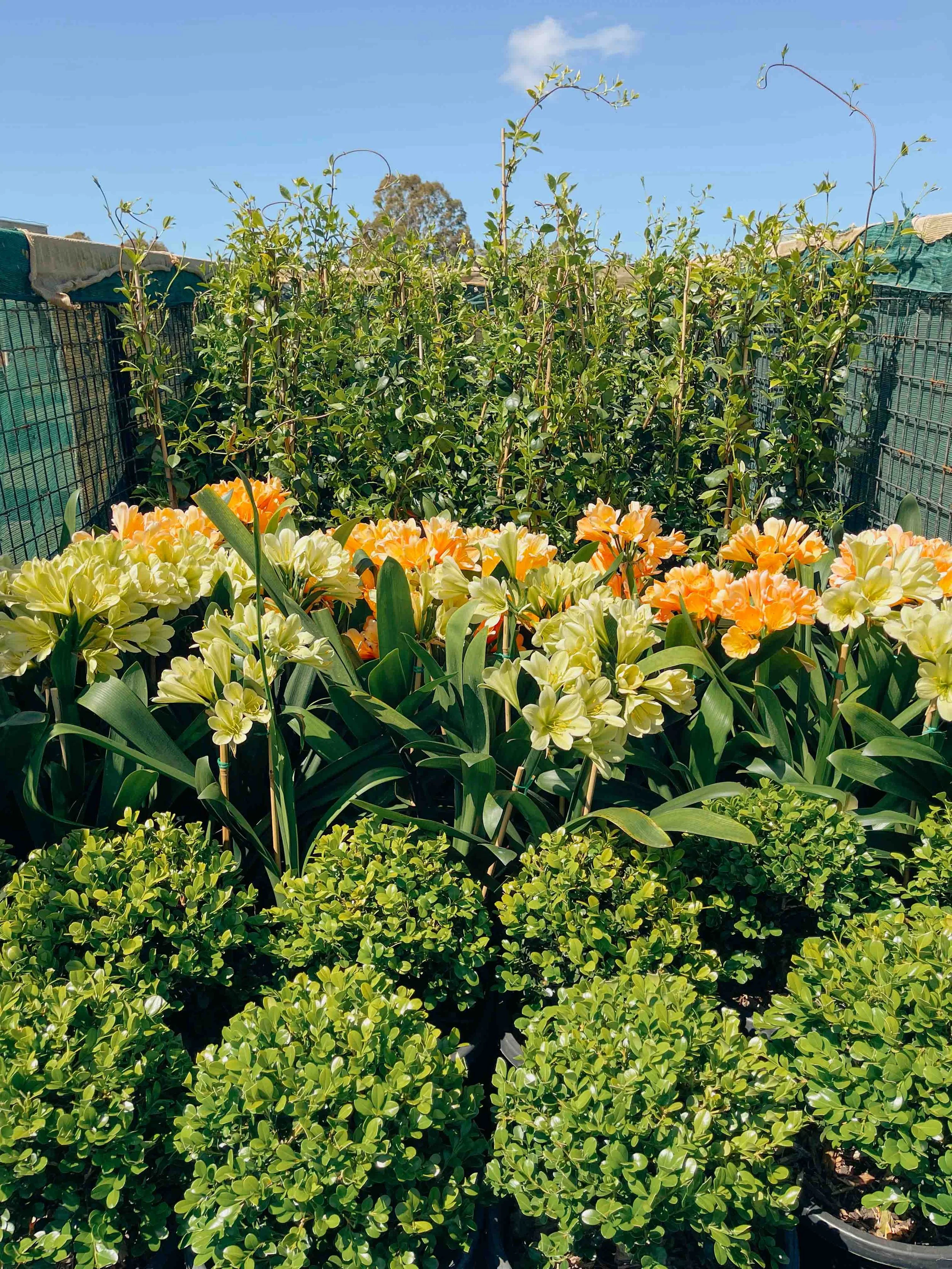
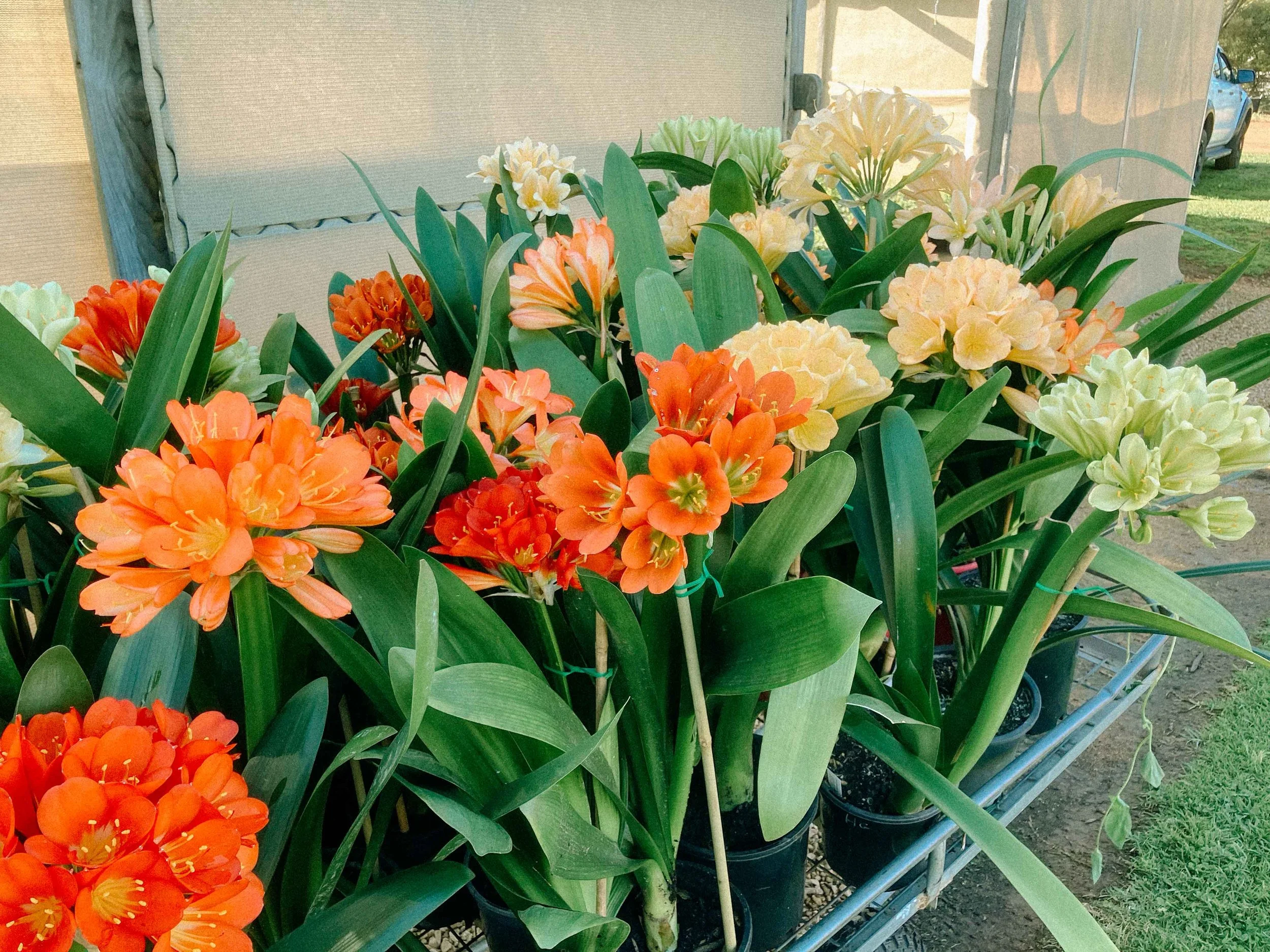
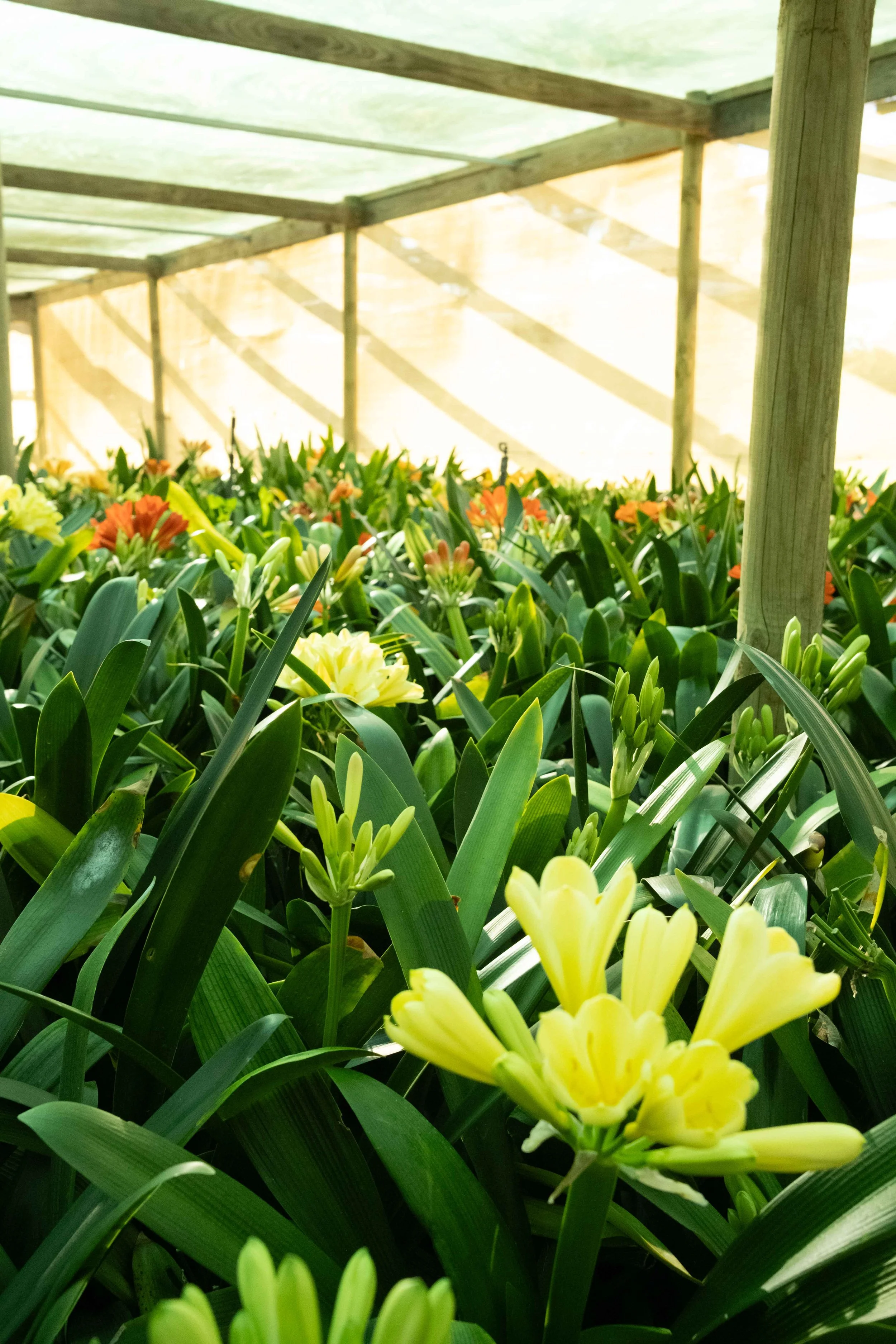
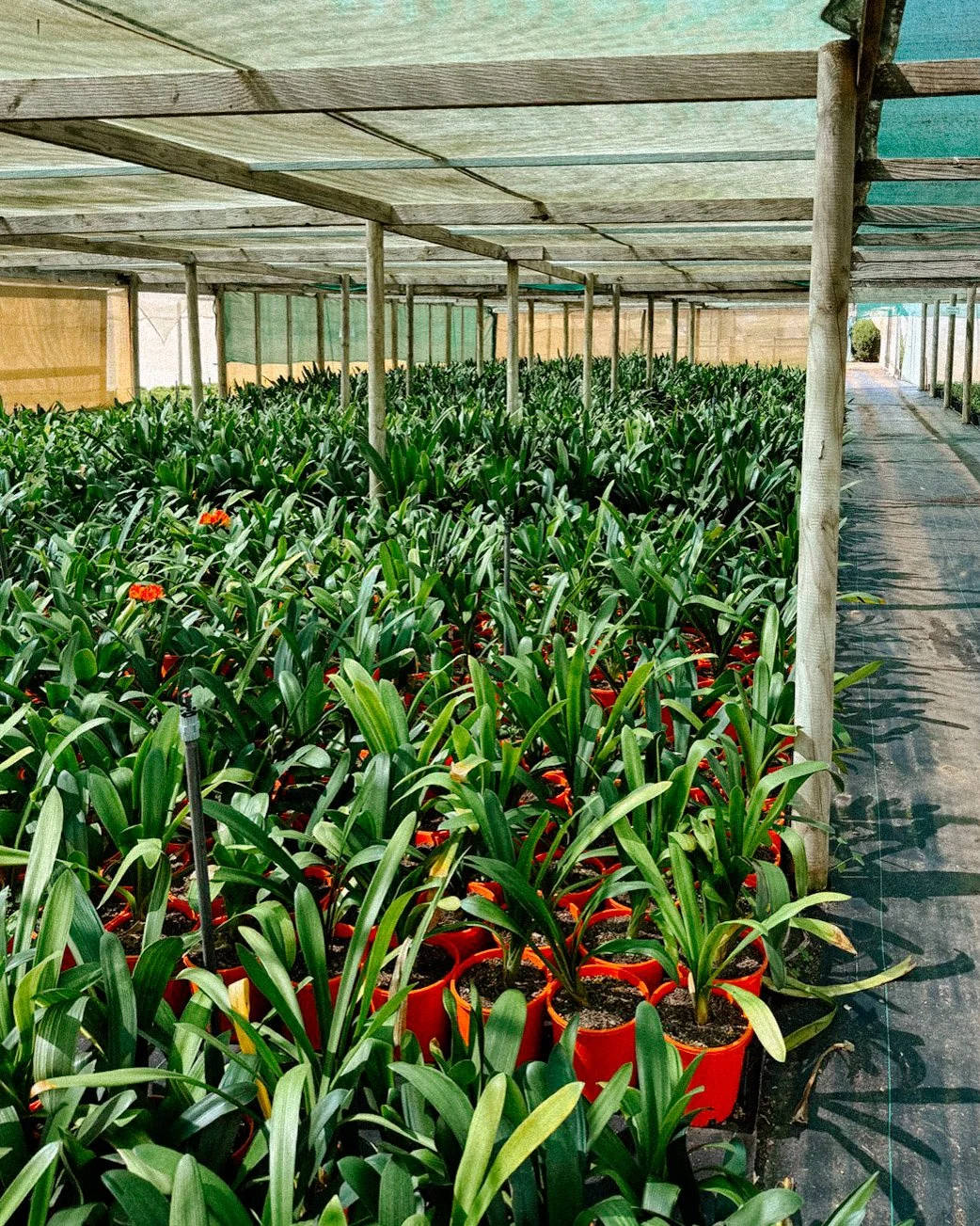
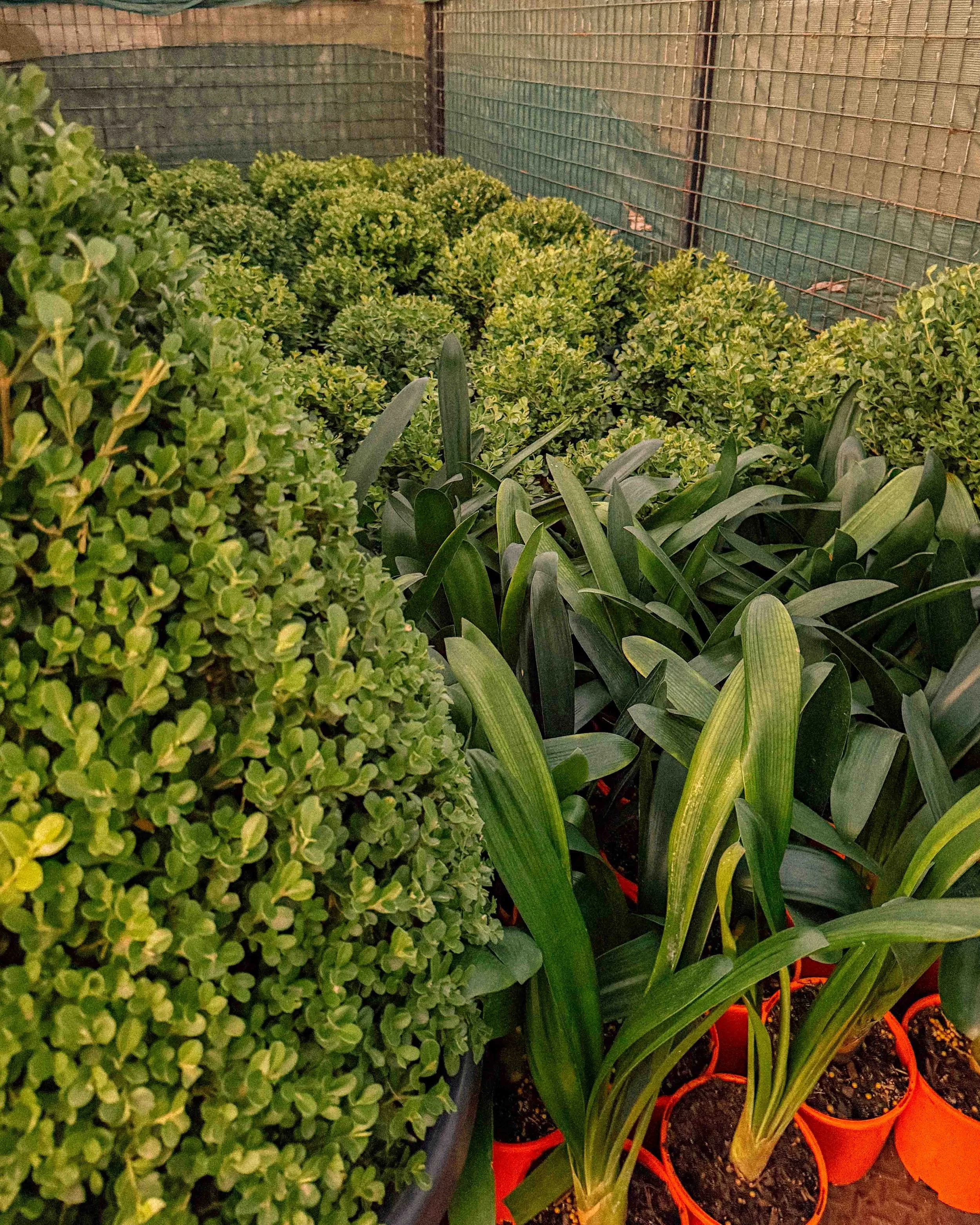
Clivia (Clivia Miniata)
For more information on these plants please see below.
-
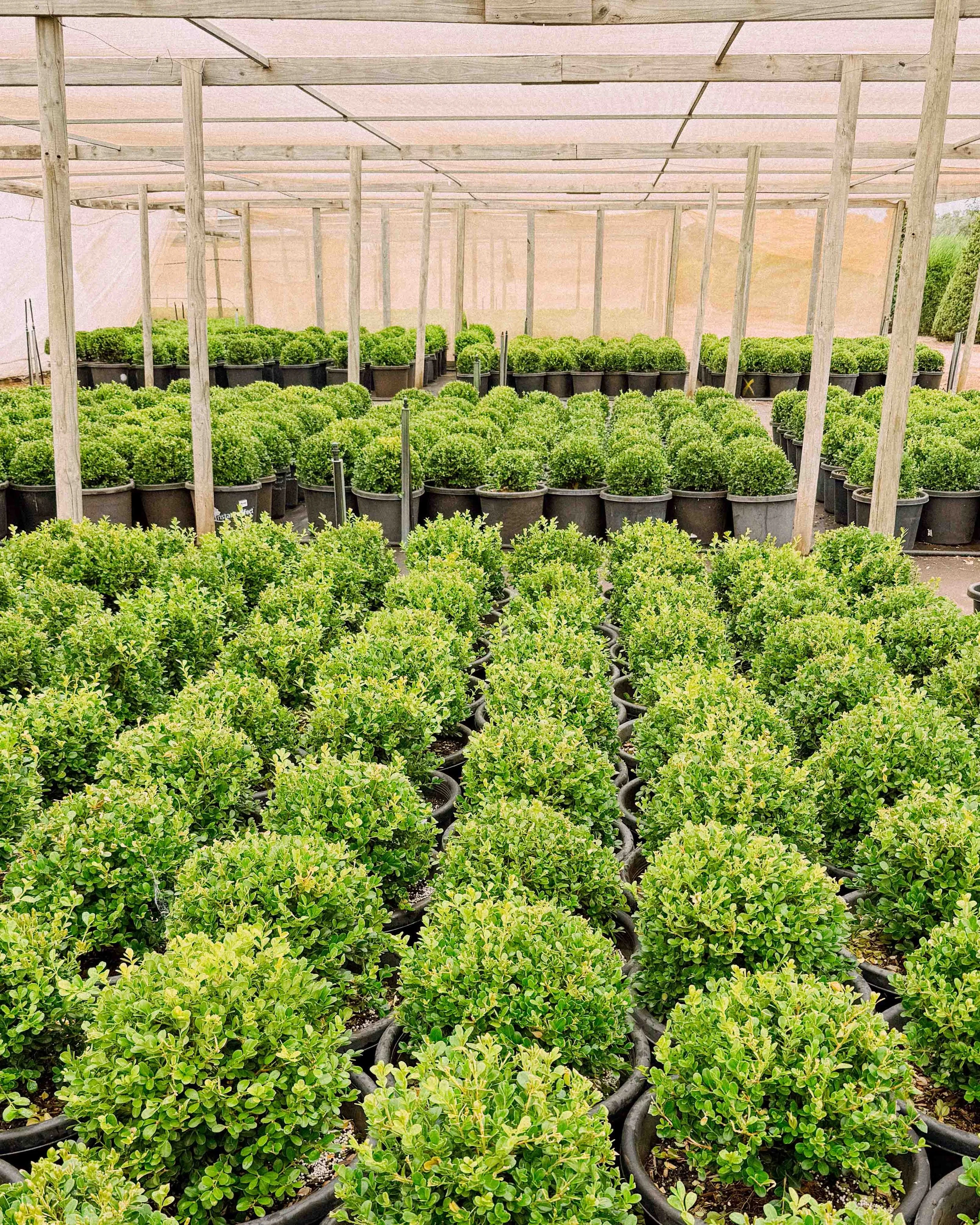
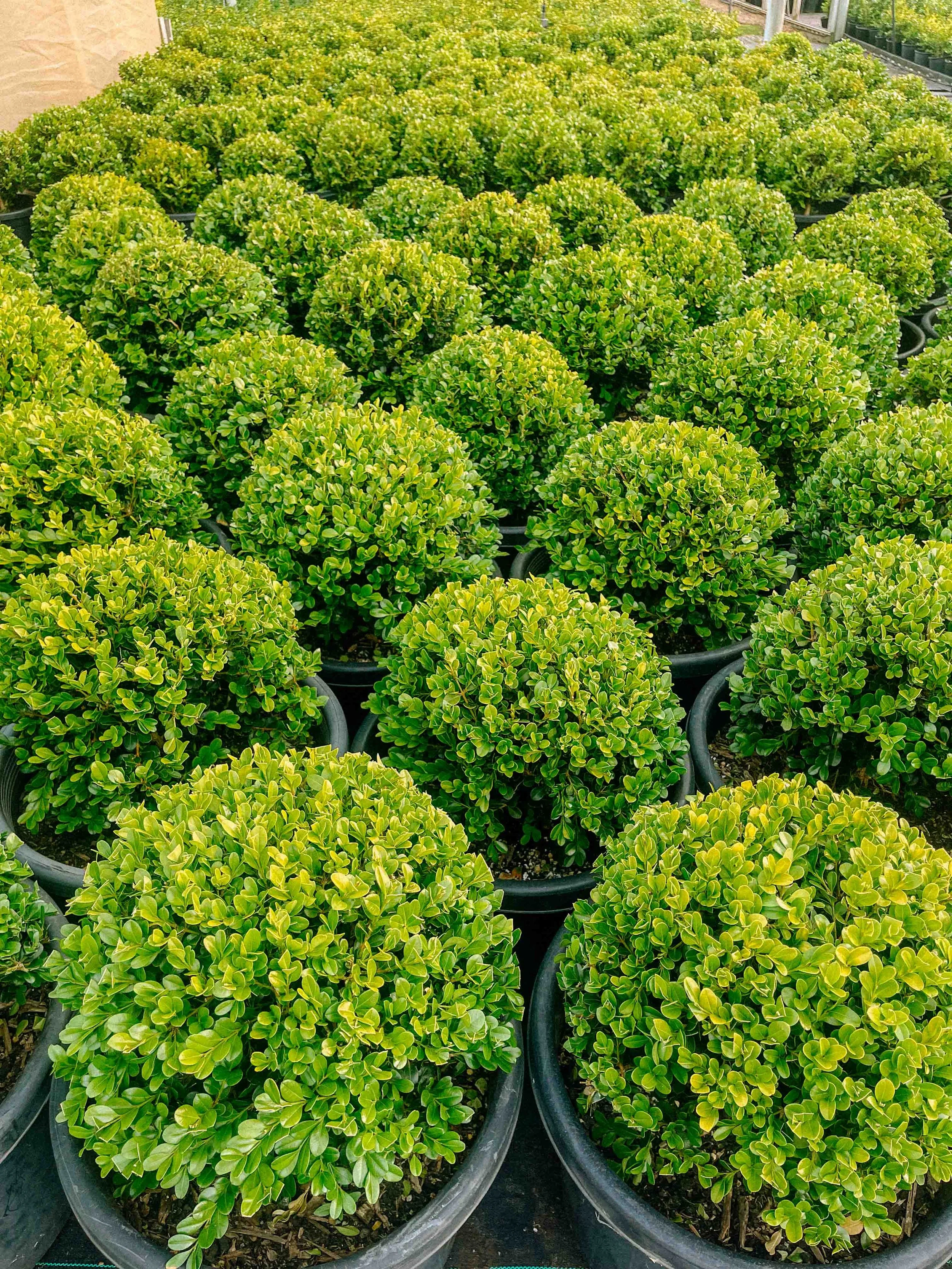
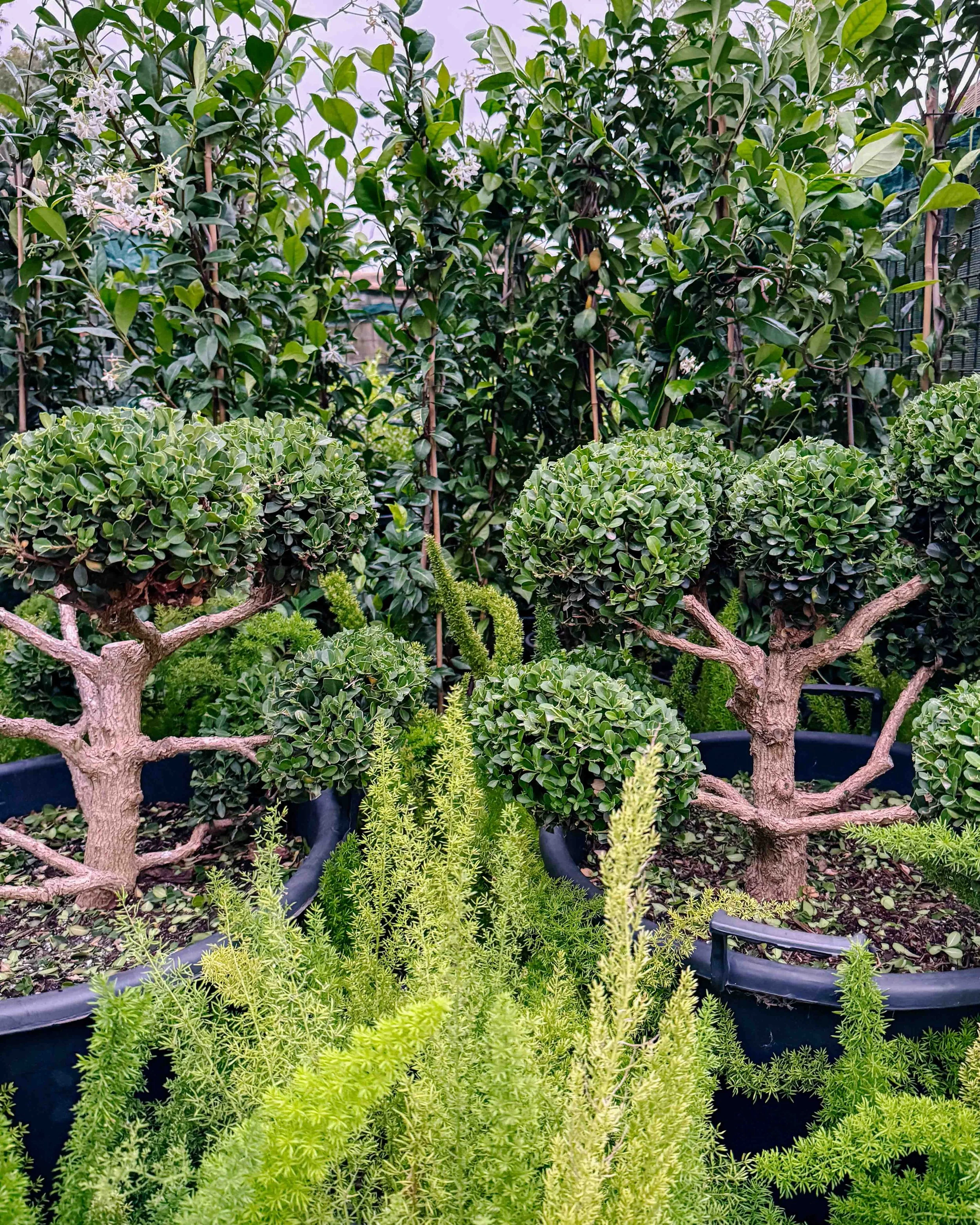
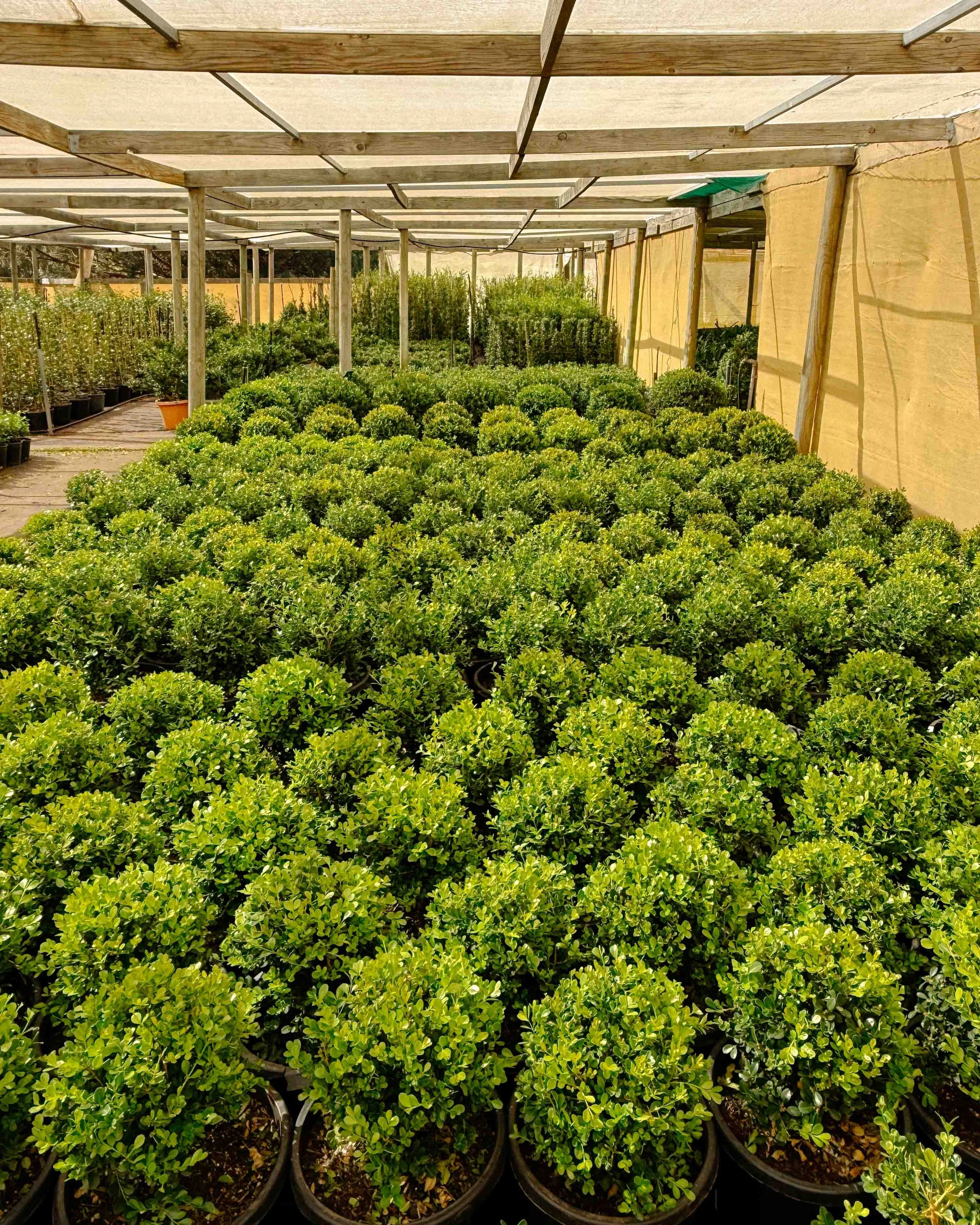
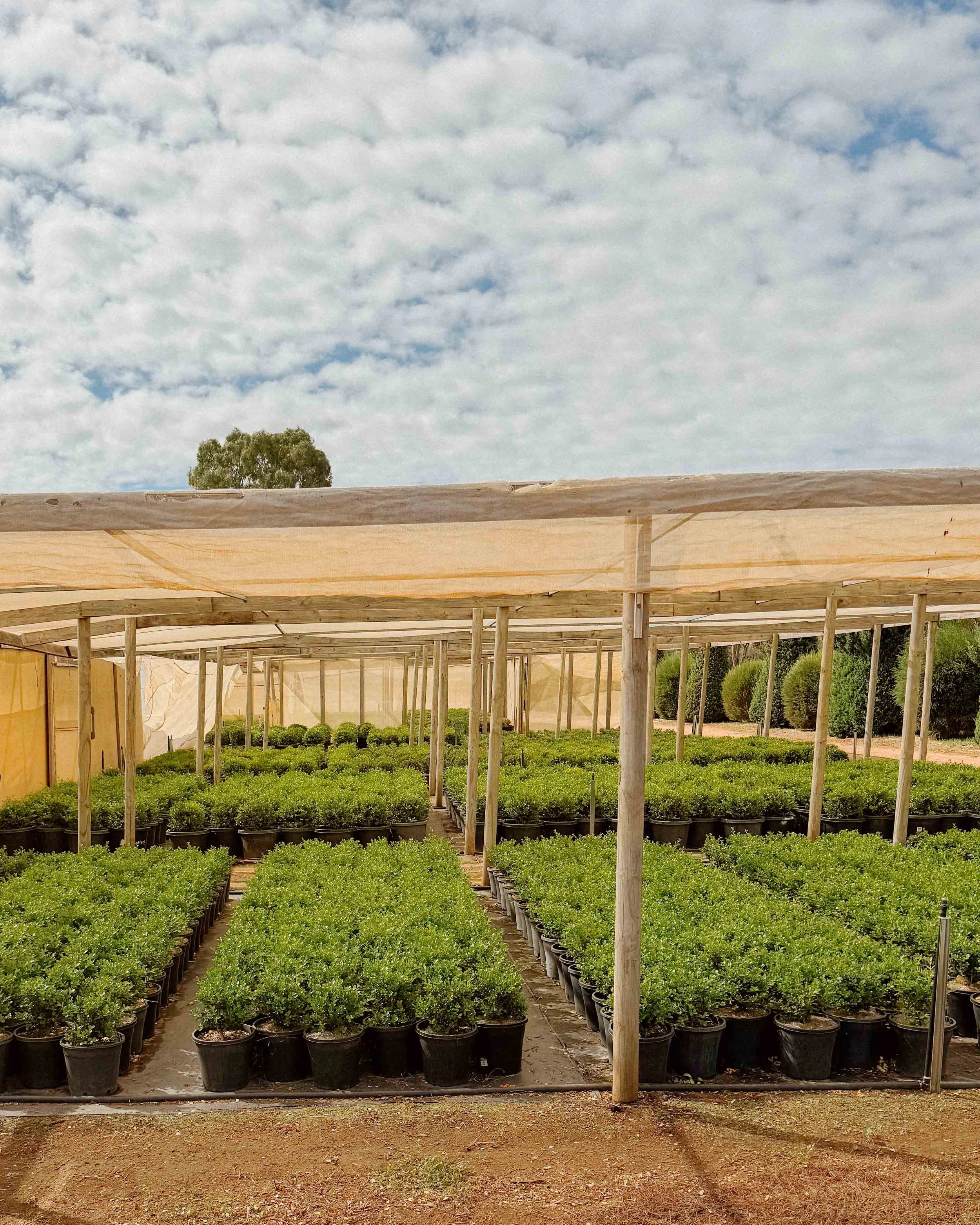
At Boxwood we stock a vast array of Japanese Box in various shapes and sizes. From 6” hedging plants up to 1.5m topiary.
It is an extremely hardy, compact, evergreen shrub, with dense foliage, fine texture, and suitability for formal and informal gardens. It responds well to pruning, making it an excellent choice for hedges, low borders, topiary, and foundation plantings.Size and habit:
Typically reaches 2–4 feet tall and wide, depending on growing conditions.
Foliage is hardy, small, glossy, green leaves and typically far more robust than other Box varieties.
Growth rate: Moderate and long-lived when given proper care.
Soil and light: Prefers well-drained, fertile soil and tolerates a range of light from full sun to partial shade.
Maintenance: Low to moderate care—regular watering during establishment, occasional feeding with balanced fertilizer, and annual or as-needed pruning to maintain shape.
Landscape uses
Topiary: responds extremely well to shaping and performs nicely in containers when provided with adequate drainage.
Formal hedges and parterres: Tight growth habit makes it ideal for clipped edges and geometric designs.
Specimen plant or foundation planting: Works well as a compact accent or to soften building foundations.
Mixed borders and mass plantings: Provides year-round structure and evergreen backdrop for seasonal perennials and bulbs.
Why it’s a good choice
Versatility: Suitable for formal, cottage, and contemporary landscapes.
Longevity: Can live for many years with correct siting and care.
Aesthetic appeal: Evergreen, fine-textured foliage creates a tidy, refined look.
Manageable size: Offers control in smaller gardens where large shrubs would be overwhelming.
Selection tips
Choose a cultivar appropriate to your space—compact cultivars (for example, ones selected for dwarf habit) for small gardens and larger selections for longer hedges.
Look for healthy, well-branched nursery stock with no signs of leaf discoloration or damage.
Consider disease-resistant cultivars if boxwood blight is a concern in your area.
Basic care checklist
Plant in well-drained soil with organic matter.
Water regularly while establishing; avoid waterlogged conditions.
Mulch to conserve moisture and moderate soil temperatures, keeping mulch away from the trunk.
Prune after flowering or in late winter/early spring to shape and remove dead wood.
Monitor for pests and disease; treat promptly and follow integrated pest management practices.
Overall, Japanese box is a reliable, attractive evergreen for many garden situations, prized for its adaptability and refined appearance.
-
The Star Jasmine we grow and sell here at Boxwood is tall and well established. Plants are between 1.2m - 1.6m tall depending on season with multiple tendrils ready for espalier. Star Jasmine of this size is rare in the retail market.
Foliage: Glossy dark green leaves; retains foliage year-round.
Flowers: Fragrant white star-shaped flowers in spring to early summer; light repeat flowering possible.
Best in full sun to part shade. Produces most flowers in full sun; tolerates deeper shade with reduced flowering.
Tolerate a range of soil from sandy to loam; prefers slightly acidic to neutral pH.
Watering: Moderate water needs. Establishing plants need regular watering; once established, they are drought tolerant but will benefit from regular watering in hot dry periods.
Fertilise in spring with a general-purpose fertiliser; a second light feed in summer if wanting more vigorous growth.
Train plants along espaliered shapes or up wires or trellis.
Also suitable for pots and containers with decent drainage.
Quick care summary
Light: Full sun to part shade
Water: Moderate; less once established
Soil: Well drained
Prune: After flowering
Hardiness: Mild temperate/subtropical; light frost sensitive
-
Foxtail Ferns or Asparagus densiflorus 'Meyersii', are evergreen, clumping perennials valued for their bold, architectural form and easy-care.
They are suitable for containers, hanging baskets, mass plantings, borders, and as an accent in mixed beds.
Size and Habit
Mature height and spread: typically 1 to 2 feet tall with a 2 to 3 foot spread; some clumps can arch wider.
Growth habit: clumping with densely packed, upright to arching stems that form rounded, fountain-like mounds.
Light requirements
Best in bright, indirect light to partial shade. Tolerates morning sun or filtered sun; Can survive in full sun but indirect light is preferred.
Can also adapt to lower light and indoor conditions, but growth will be slower.
Soil and water
Prefers a well-draining, fertile potting mix or garden soil mixed with organic matter.
Moisture: keep evenly moist but not waterlogged. Allow the top inch of soil to dry slightly between waterings. Established plants tolerate short dry periods but perform best with consistent moisture. Foxtails do not enjoy overwatering.
Provide good drainage.
Fertilizer and maintenance
Feed lightly during the growing season (spring through summer) with a balanced, water-soluble fertilizer every 4–6 weeks. Reduce feeding in Autumn and Winter.
Low pruning needs: trim back old or damaged stems to maintain shape. Divide clumps in spring to propagate.
In summary Asparagus densiflorus 'Meyersii' is a low-maintenance, ornamental fern-like perennial prized for its dense, foxtail foliage and versatility in containers, hanging baskets, and landscaped beds. It prefers bright, indirect light, well-drained soil, regular moisture, and warm temperatures; minimal pruning and occasional division will keep plants healthy and attractive.
-
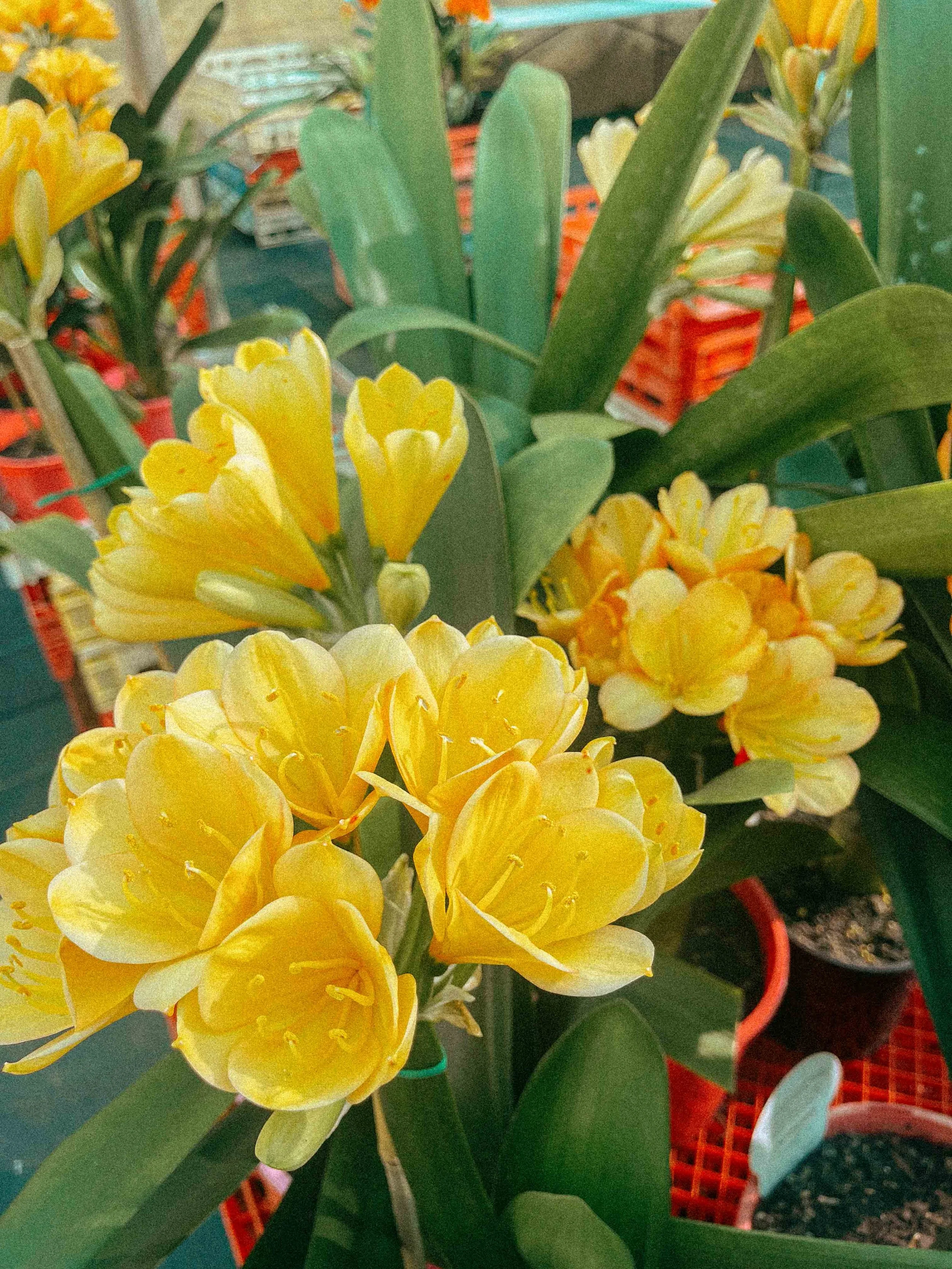
Clivias are a low-maintenance evergreen perennial, valued for their strap-like leaves and clusters of trumpet-shaped flowers. We are lucky enough to have a large collection of rare Clivias, a catalogue built over the last 35 years here at the nursery.
We hold yellow / cream, green, peach/apricot, and variegated forms.
Need Plants?